
A dead battery in a Miramar parking lot needs a very different response than a wrecked car on I-75. That is why knowing whether you need a tow truck or roadside assistance matters. The right call can save you time, lower your cost, and get you safely off the road faster.
Most drivers do not think about the difference until they are already stranded. You turn the key and hear nothing. You spot a flat tire on the shoulder. You run out of gas a few miles from home. In those moments, the real question is simple – can the vehicle be fixed where it is, or does it need to be moved?
Tow truck or roadside – what is the difference?
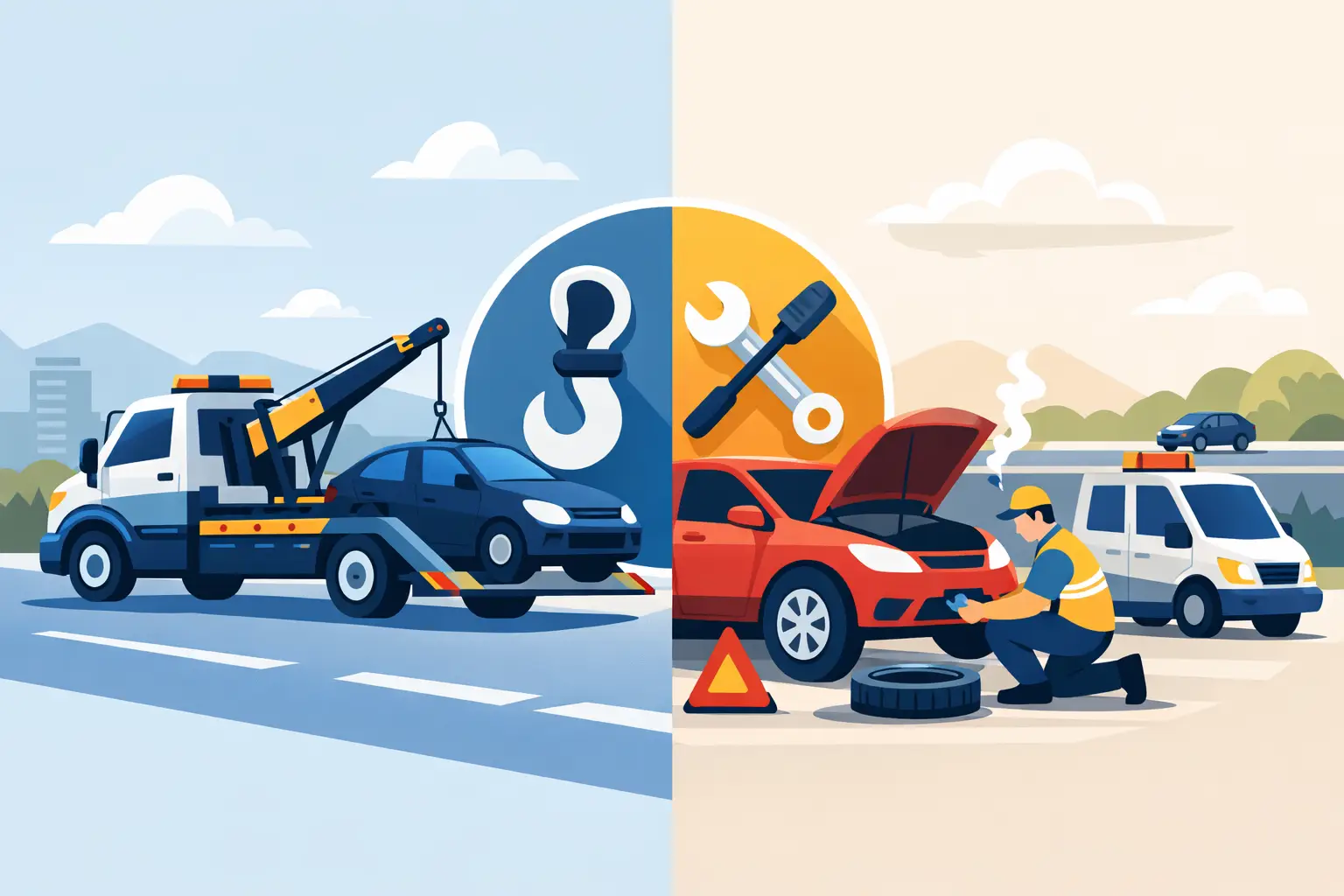
Roadside assistance is for problems that can often be handled on the spot. If your battery is dead, your tire is flat, your fuel tank is empty, or your keys are locked inside the car, a roadside service call is usually the fastest option. The goal is to get you moving again without taking the vehicle anywhere.
A tow truck is needed when the vehicle cannot be safely driven, cannot be fixed at the scene, or should not stay where it is. That includes accident damage, major engine trouble, transmission failure, suspension problems, and situations where the car is stuck in mud, a ditch, or a tight recovery spot. Towing is also the right choice when you need vehicle transport from one location to another, even if it technically still runs.
The difference sounds straightforward, but real situations are not always that clean. A flat tire may look like a roadside issue until you realize the wheel is damaged too. A jump start may get the engine running, but if the battery or alternator is failing, you may still need a tow before the car dies again in traffic. That is why a quick, honest assessment matters.
When roadside assistance is the right call
If the problem is minor and localized, roadside service usually makes the most sense. A jump start is one of the most common examples. Batteries fail without much warning in South Florida heat, especially after long workdays, airport pickups, or leaving lights on by mistake. If the rest of the vehicle is in good shape, a jump can get you back on the road quickly.
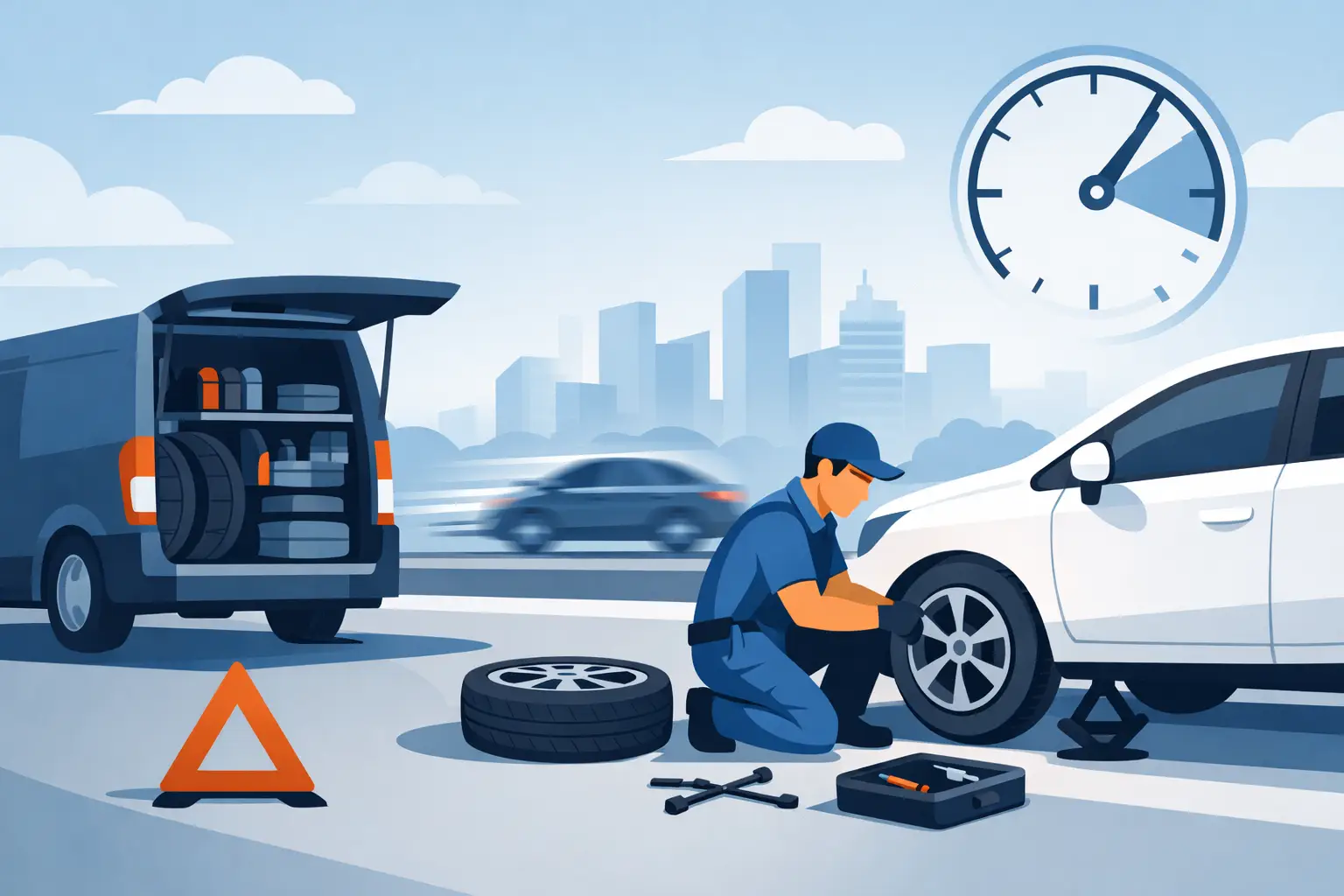
Tire changes are another common roadside job. If you have a usable spare and the lug nuts can be safely removed, a technician can often swap the tire at the scene. Fuel delivery is even more direct. If you simply ran out of gas, there is no reason to pay for a tow when a quick fuel drop can solve the problem.
Lockouts also fall clearly into roadside service territory. If the vehicle is fine but you cannot access it, the issue is entry, not transport. The same goes for many low-speed winch-out situations, such as getting stuck on soft ground, though that can turn into a recovery call if the angle or terrain is more complicated.
In these cases, roadside help is usually faster and more affordable than towing. But speed depends on your location, traffic, and how dangerous the breakdown area is. A simple battery issue in a safe parking lot is one thing. The same issue on a busy shoulder near Fort Lauderdale is another.
When you need a tow truck instead
If the vehicle is unsafe to drive, do not force it. That is where a tow truck is the better call. After a collision, even light damage can hide serious mechanical problems. A bent wheel, leaking fluids, steering damage, or a dragging bumper can make a short drive risky.
Mechanical breakdowns often need towing too. Overheating, transmission slipping, engine knocking, broken belts, electrical failure, and brake problems are not roadside fixes in most cases. Trying to nurse the car to a shop can turn a repairable issue into a much larger bill.
Towing is also the right move when the vehicle has to go somewhere specific. Maybe your car will start, but it keeps stalling. Maybe your work van needs to get to a repair facility before the next shift. Maybe you are moving a non-running vehicle, clearing out a junk car, or transporting a car over a longer distance. Those are tow jobs, not roadside service calls.
For commercial drivers and small fleet operators, this distinction is even more important. Downtime costs money. Waiting too long to decide between a quick roadside fix and a proper tow can delay deliveries, service calls, and daily operations.
Tow truck or roadside after an accident
After an accident, drivers often hope the car is still drivable because they want to get home or avoid added stress. That instinct is understandable, but it is not always the safest choice. If airbags deployed, fluids are leaking, a tire is damaged, a wheel is pushed out of alignment, or the vehicle will not track straight, you need a tow truck.
Even when damage looks minor, there can be hidden issues underneath. Modern vehicles are full of sensors, cooling components, and structural parts that can shift during impact. A vehicle that starts is not automatically a vehicle that should be driven.
If you are in a traffic lane, on a highway shoulder, or in a place where the vehicle creates a hazard, getting it moved professionally matters fast. In those moments, the priority is not convenience. It is safety, traffic flow, and preventing more damage.
What to tell dispatch so help arrives correctly
The fastest way to get the right help is to be clear about what is happening. If you are calling for service, explain whether the car starts, whether it rolls, whether there was an accident, and whether you are in a safe location. Mention the vehicle type, your exact location, and any obstacles like a low garage, tight parking lot, or soft shoulder.
That information helps dispatch decide if you need a jump start, tire change, lockout service, fuel delivery, winch-out, or full towing. It also helps send the right equipment the first time. That matters when you are stuck in Hollywood, broken down in Pembroke Pines, or dealing with a roadside emergency in Weston during heavy traffic.
If you are unsure, say so. A reliable provider will ask the right questions. It is better to describe the symptoms honestly than to guess. Calling for a jump when the car actually needs towing can cost you more time than the service call itself.
Why local response matters in South Florida
South Florida breakdowns come with their own problems. Heat drains batteries. Afternoon traffic turns minor delays into major headaches. Rain can make shoulders slick and visibility poor. Busy roads in Miramar, Fort Lauderdale, and nearby areas do not leave much room for trial and error.
That is why local coverage matters. A provider that already works these roads understands the traffic patterns, apartment complexes, shopping centers, highway ramps, and common breakdown spots that out-of-area dispatchers may struggle to locate. Faster arrival is not just convenient. When you are stranded with kids in the car, blocking a lane, or stuck late at night, it changes the whole experience.
ITow&Recovery handles both roadside assistance and towing across South Florida, which means drivers do not have to overthink the call while under stress. Whether the fix happens on site or the vehicle needs transport, the goal stays the same – get there fast, solve the problem safely, and keep the customer from being stranded any longer than necessary.
The best choice is the one that protects your time and your vehicle
Drivers sometimes focus only on the cheapest option in the moment. That makes sense when you are already dealing with an unexpected problem. But the lowest immediate cost is not always the smartest call. A quick jump may not help if the charging system is failing. Driving on a damaged tire may ruin the wheel. Trying to limp an overheated car to a shop can finish off the engine.
The better question is not just whether the vehicle can move. It is whether it should.
If the problem can be safely fixed where you are, roadside assistance is often the fastest and most cost-effective answer. If the vehicle is damaged, unreliable, or unsafe, towing protects both the car and the people inside it. When you are stuck and deciding between a tow truck or roadside service, a quick professional assessment can save you from making a stressful situation worse.
When your vehicle quits on you, the right help should not feel complicated. The smartest move is to call fast, explain what is happening, and let an experienced local team send the service that actually fits the problem.