
That old car usually sits longer than anyone plans. It stops running, the tags expire, the tires go flat, and before long it is taking up space at your home, business, or apartment lot. If you have been wondering how junk car pickup works, the process is usually faster and simpler than most drivers expect – especially when you are dealing with a local towing company that handles removal every day.
In South Florida, junk car pickup is not just about hauling away a vehicle that no longer runs. It is about getting that vehicle off your property safely, legally, and without wasting your time. Whether the car has engine failure, collision damage, flood issues, missing parts, or years of wear, the right pickup service can move it quickly and help you avoid more headaches.
How junk car pickup works from start to finish
The process normally starts with a call or quote request. You provide basic details about the vehicle, including the make, model, year, condition, and where it is located. If the car does not start, has no wheels, was in an accident, or is parked in a tight spot, that matters because it affects the equipment needed for pickup.
From there, the towing company gives you a quote or explains what they need to confirm before dispatching a driver. Some junk vehicles still have resale or scrap value, while others mainly need removal. That is why pricing can vary. A complete older sedan in accessible condition may be easier to remove than a badly damaged SUV with missing tires parked in a garage.
Once the details are confirmed, pickup is scheduled. In many cases, especially when the vehicle is creating a problem at home, at a shop, or on commercial property, same-day or next-day service may be available. For drivers in Miramar, Pembroke Pines, Hollywood, Weston, and Fort Lauderdale, fast local dispatch can make a big difference when you need the car gone now, not next week.
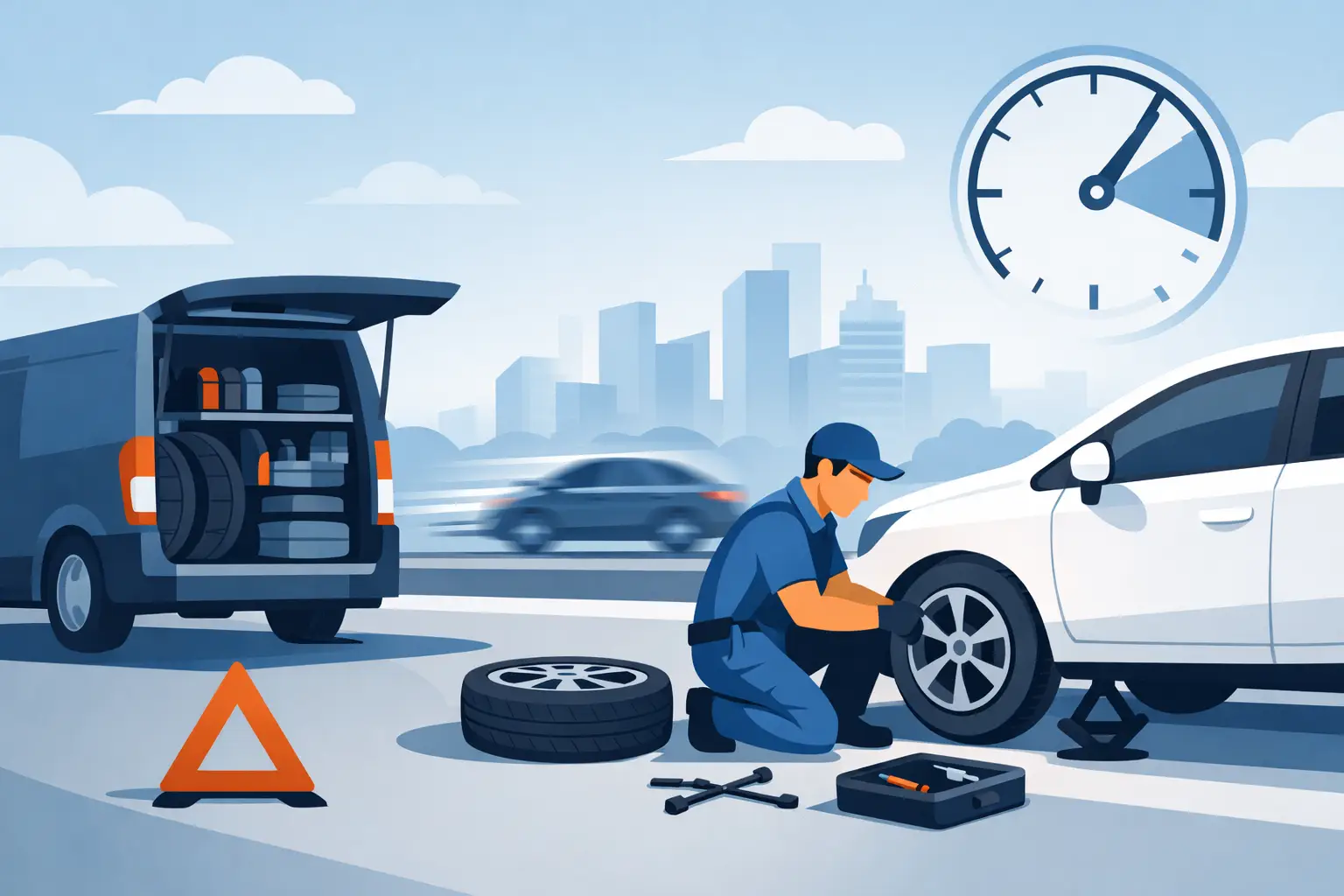
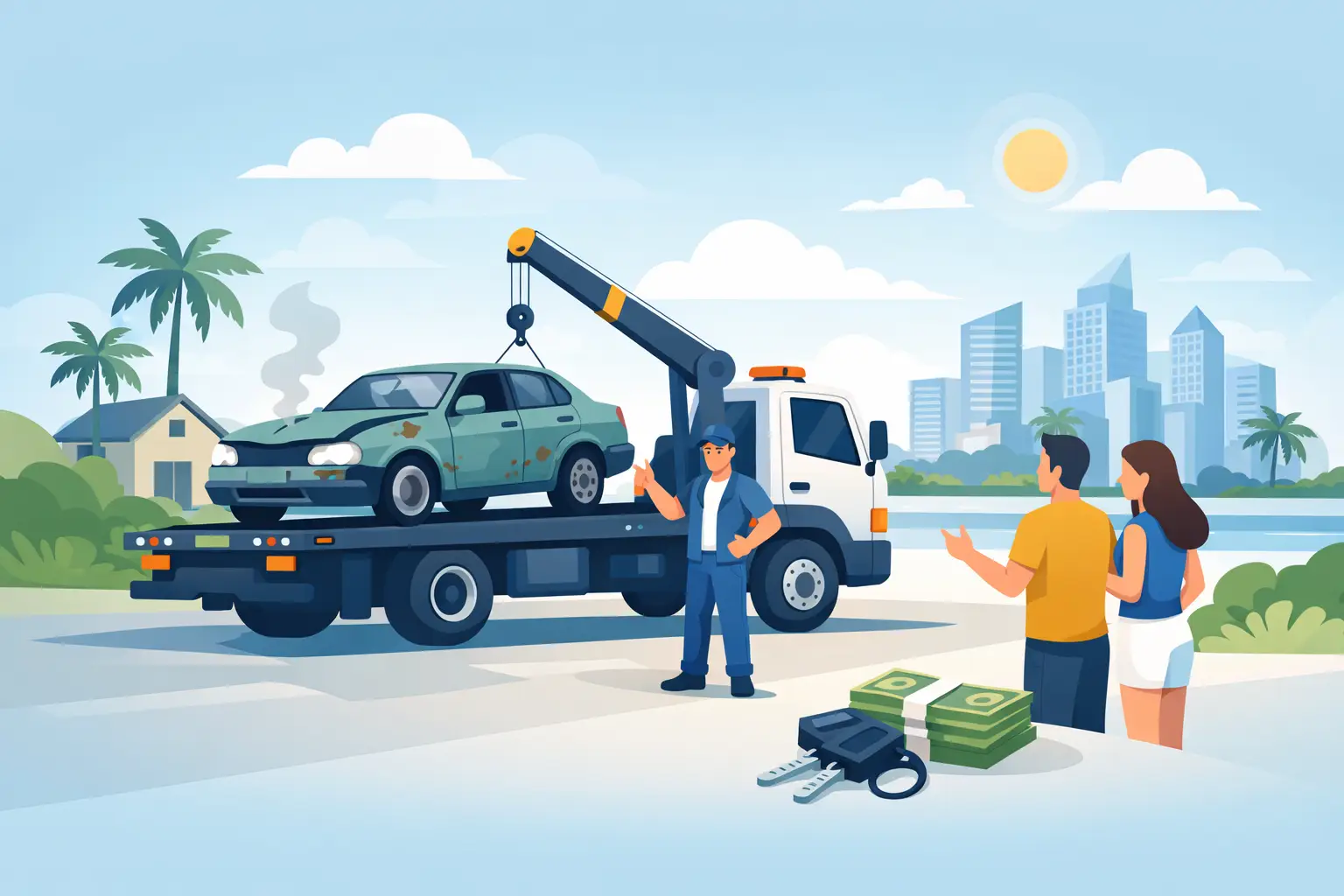
When the tow truck arrives, the driver checks the vehicle, confirms ownership or authorization, loads it safely, and removes it from the location. Depending on the situation, that can involve a standard tow truck, a flatbed, or recovery equipment if the vehicle is stuck, wrecked, or difficult to access.
What you usually need before pickup
Most people worry that junk car removal is going to involve complicated paperwork. Usually, it is more straightforward than they think. In most cases, the company will ask for proof that you own the vehicle or have the right to release it.
That often means the title, registration, or another valid ownership document, plus a photo ID. Requirements can vary based on the age of the vehicle, the condition of the title, and Florida rules. If the title is missing, it does not always mean pickup is impossible, but it can slow things down. The best move is to mention that upfront so you know what is needed before the truck is on the way.
If the vehicle is on private property, apartment property, or a commercial lot, access also matters. A locked gate, parking garage clearance, or HOA restrictions can affect timing. The more accurate the information is during the initial call, the smoother the pickup usually goes.
What affects the quote
Not every junk car is valued the same way, and not every removal job takes the same effort. A few things usually shape the quote.
Vehicle type matters first. Trucks, vans, SUVs, and larger commercial units can require different equipment than a compact car. Condition matters too. A vehicle with major front-end damage, seized brakes, missing wheels, or no key can take more time and labor to load.
Location plays a role as well. A car sitting in a driveway in Weston is one job. A disabled vehicle wedged behind another car in a narrow Fort Lauderdale apartment lot is another. Distance, access, and urgency can all affect the final number.
Then there is the question of value. Some junk vehicles still contain usable components or scrap metal worth something. Others cost more to recover and process than they return. That is why two vehicles that both look “junked” to the owner can receive very different quotes.
How pickup day usually goes
If you have never used a junk car removal service before, the day itself is typically quick. The driver arrives, verifies the vehicle information, checks that paperwork matches, and prepares the car for loading. If the car rolls freely, the process is simpler. If it does not, the driver may need to use dollies, a winch, or specialized towing methods.
You may be asked to remove personal belongings before loading. That is important because once the vehicle leaves, recovering items later can be difficult or impossible. Glove boxes, trunks, center consoles, under-seat storage, and tag compartments are easy places to forget things.
If payment is part of the arrangement, that is usually handled according to the terms already discussed. Some situations involve a straight removal service, and some involve payment for the vehicle itself. It depends on the vehicle, the market, and the company handling the job.
Why local service matters
Junk car pickup sounds simple until timing becomes the real issue. Maybe your landlord gave you a deadline. Maybe your HOA posted a notice. Maybe your dead vehicle is blocking another car, taking up customer parking, or sitting after an accident. In those cases, waiting around for a vague pickup window is the last thing you want.
A local company that already operates across Broward County and nearby South Florida communities can usually respond faster and with fewer delays. That local familiarity also matters when a vehicle is in a condo lot, on a busy roadside, behind a business, or in an area with heavy traffic and limited access.
For that reason, many drivers choose a service provider that already handles emergency towing, roadside calls, and vehicle recovery in the same neighborhoods. ITow&Recovery works in exactly those kinds of conditions every day, which helps when a junk vehicle is not just old, but also stranded, damaged, or hard to move.
Common situations where junk car pickup helps
A lot of junk vehicles are not total wrecks. Some are simply no longer worth repairing. Others have become a problem because they have been parked too long. In South Florida, we also see vehicles affected by heat, flooding, accident damage, electrical issues, and long-term neglect.
Pickup is often the right move when the repair bill is higher than the car’s value, the vehicle fails and cannot be driven safely, or the car has been sitting unused with flat tires and a dead battery for months. It also makes sense for inherited vehicles, abandoned fleet units, and old work trucks that are costing more in space and stress than they are worth.
If the vehicle was in a collision, junk pickup can also be the practical next step once you know it is not coming back on the road. Letting a wrecked vehicle sit at a house, shop, or lot often creates more frustration than value.
What to do before the truck arrives
A little preparation can save time. Take out your personal items, have your paperwork ready, and make sure the vehicle can be accessed. If another car is blocking it in, move that first if possible. If the car has no battery, locked steering, or missing tires, mention it before pickup instead of hoping it will not matter.
It also helps to remove the license plate if required and ask any final questions before dispatch. Good communication upfront reduces delays on arrival. That matters when you need the vehicle gone quickly and do not want a second trip.
The part most drivers overlook
The biggest misconception is that junk car pickup is only for completely dead cars. In reality, many pickups involve vehicles that still start but are no longer reliable, safe, or worth the next repair. If you are spending money to keep a failing vehicle parked, insured, or patched together, removal can be the cleaner financial decision.
That does not mean every old car should be junked. Some are worth fixing, and some have resale potential in private sale. But when the vehicle is draining your time, taking up space, or creating a property issue, quick pickup is often the practical answer.
If your car is sitting in Miramar, Hollywood, Pembroke Pines, Fort Lauderdale, Weston, or nearby areas, the best next step is usually simple: get the vehicle details together, ask clear questions, and arrange removal with a company that can respond fast and handle the tow without adding more stress to your day.