
When your car quits on I-75, won’t start in a Miramar parking lot, or gets hit in Fort Lauderdale traffic, the question usually comes fast – do you need a local tow versus long distance service? The answer matters because the right choice affects price, arrival planning, vehicle handling, and how quickly you get back on track.
Most drivers do not think about towing until they need it now. That is exactly when the difference becomes important. A short move from the roadside to a nearby repair shop is one kind of job. Moving a disabled vehicle across multiple cities, counties, or farther across Florida is a different one. Both solve the same problem, but they are priced, scheduled, and handled differently.
Local tow versus long distance: what changes?
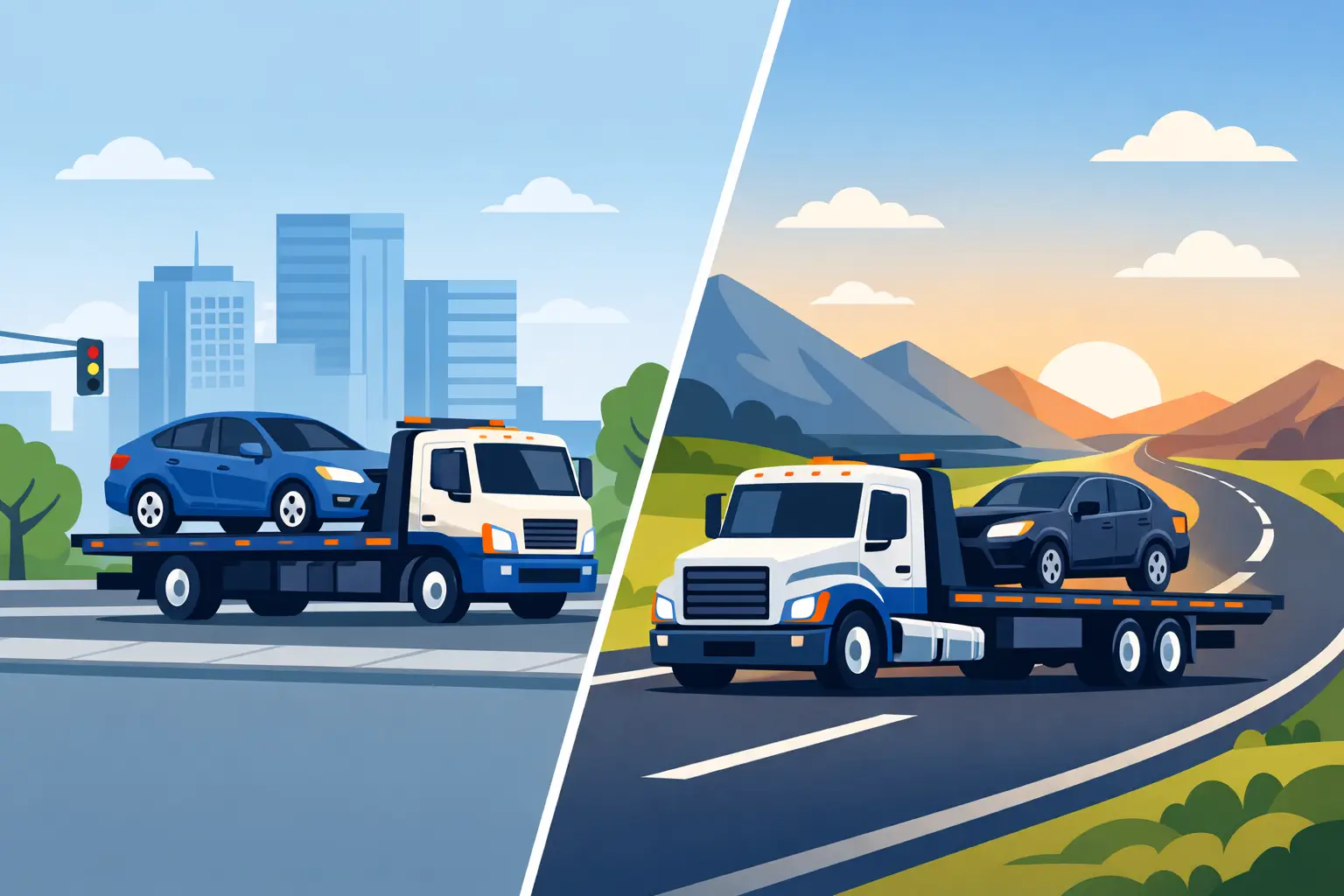
A local tow is typically used when your destination is close by. That might mean towing your car from Hollywood to a repair shop in Pembroke Pines, moving a vehicle from Weston to your home garage, or taking an accident-damaged car a few miles from the scene to a body shop. The focus is fast response, safe loading, and getting the vehicle off the road without delay.
Long distance towing is for moves that go well beyond the normal local service radius. That could mean transporting a car to another county, delivering a vehicle to a specialty mechanic farther away, or moving a vehicle because you are relocating, buying, selling, or managing a fleet. The tow is less about clearing an immediate roadside situation and more about planned transport, route time, distance, and vehicle security over a longer trip.
For the customer, the biggest difference is not just miles. It is purpose. Local towing is often urgent. Long distance towing may still be urgent, but it usually involves more coordination.
When a local tow makes the most sense
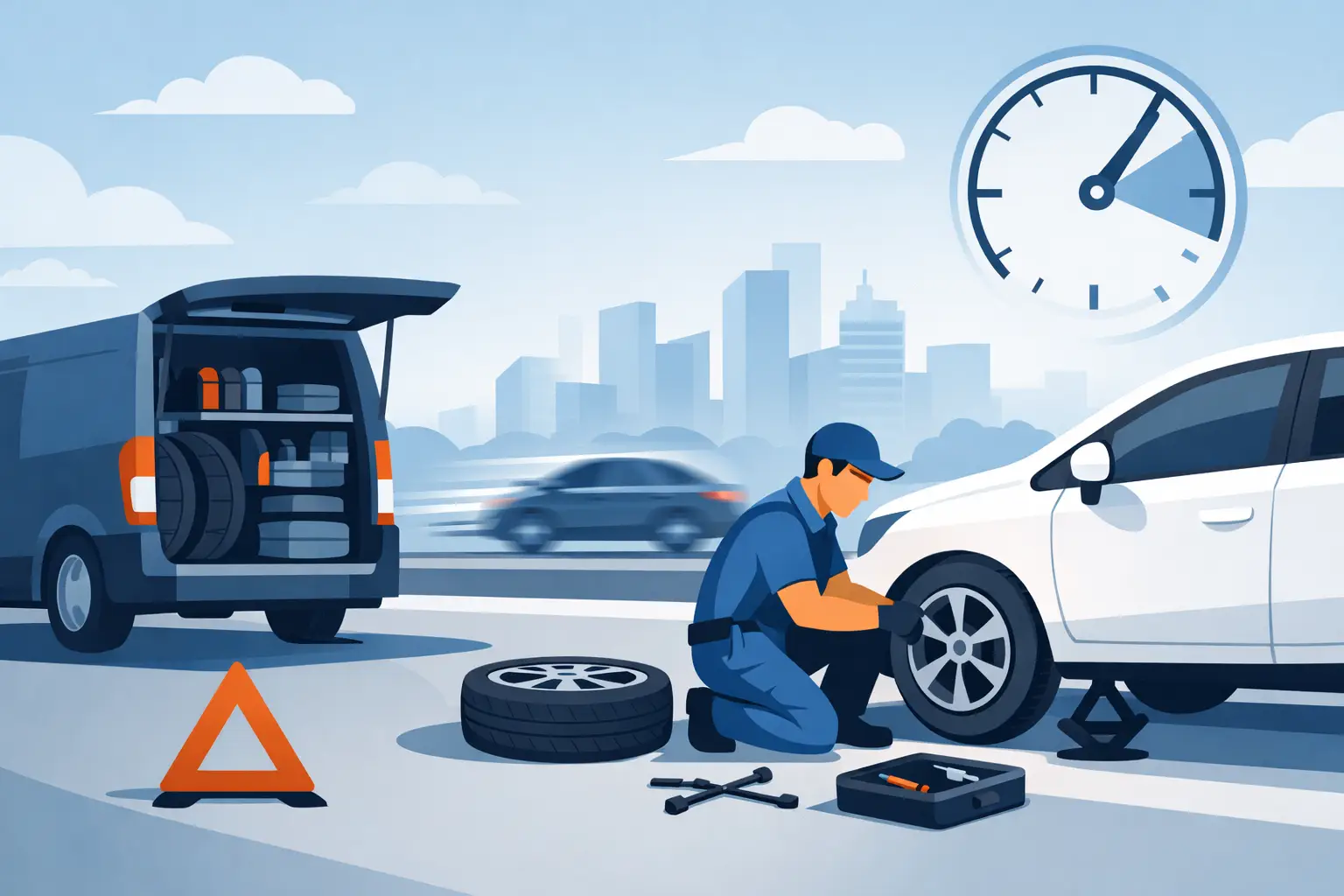
If your car broke down near home, work, or a local roadway, a local tow is usually the practical call. South Florida drivers often need this after an overheating issue, engine trouble, battery failure, flat tire damage, or a minor crash that leaves the vehicle unsafe to drive. In these situations, getting the vehicle moved quickly is the priority.
A local tow also makes sense when your repair destination is close enough that there is no reason to pay for extra distance. If a trusted shop is ten minutes away, a local tow keeps the process simple. The truck arrives, secures the vehicle, transports it, and gets you to the next step with less waiting and lower cost.
This is also the right option for many apartment complexes, shopping centers, office lots, and neighborhood roadside calls. If the issue happened in Miramar, Hollywood, Weston, Pembroke Pines, or Fort Lauderdale and the destination is nearby, local service is usually the fastest and most affordable route.
Common local tow situations
Drivers call for local towing after accidents, no-start problems, transmission issues, blown tires, steering failure, and lockout situations that turn into transport needs. Small business owners and delivery drivers also use local towing when a work vehicle goes down and needs to get to a nearby mechanic fast.
The main advantage is response time. A local provider with strong Broward County coverage can usually react faster because the truck is already operating in the area.
When long distance towing is the better choice
Long distance towing is the better fit when the destination is too far for a standard local move. Maybe your vehicle broke down while traveling and you want it taken back closer to home. Maybe your preferred mechanic is outside the immediate area. Maybe you bought a vehicle that cannot be driven yet. Those are not local jobs, even if the breakdown itself happened nearby.
Long distance towing is also common when customers want to avoid risking more damage. If a car has major engine trouble, drivetrain issues, accident damage, or electrical failure, driving it farther than necessary is a gamble. Towing it a longer distance may cost more upfront, but it can save money compared with turning a repairable issue into a major one.
For commercial clients, long distance towing can protect operations. A fleet vehicle may need to be moved to a company-approved service center, not just the closest shop. That extra planning matters when downtime affects schedules, customers, and revenue.
Why planning matters more on longer tows
A longer trip usually means more attention to route selection, truck availability, travel time, and scheduling. It may also require clearer timing expectations, especially if the tow is not just from one nearby city to the next. The farther the destination, the more important it is to work with a provider that communicates clearly and handles the vehicle with care from pickup to drop-off.
Cost differences drivers should expect
Most people asking about local tow versus long distance really want to know one thing – what will it cost? The honest answer is that pricing depends on distance, vehicle type, condition, tow method, pickup location, and destination.
A local tow is generally more affordable because the job takes less travel time and fewer total miles. It is often priced around a base service plus mileage or zone. A long distance tow usually includes much more mileage, longer truck use, fuel, driver time, and trip planning. That naturally raises the total.
Still, cheaper is not always better if it means the wrong service. A low-cost local tow quote may not help if your vehicle actually needs to go much farther. On the other hand, paying for long distance service when the destination is only a few miles away does not make sense either. The right quote starts with the real pickup point, the real drop-off point, and the real condition of the vehicle.
If your car is stuck in a tight space, damaged after a collision, or needs recovery before transport, that can affect cost too. The same goes for larger vehicles, commercial units, or specialty handling.
Response time and urgency are not always the same thing
Many drivers assume long distance towing means slow service. Not necessarily. If your car is blocking traffic or sitting in an unsafe spot, the immediate goal is still fast pickup. The distance to the final destination does not change the need to secure the scene quickly.
What changes is the full timeline. A local tow may be completed relatively fast from dispatch to drop-off. A long distance tow may have a quick arrival but a longer overall transport window because the destination is farther away. That is normal. What matters is knowing the difference between arrival time and completion time.
For emergency roadside situations, speed at pickup matters most. For planned vehicle transport, scheduling and communication matter just as much.
Choosing the right tow for your situation
If you are deciding between a local tow versus long distance option, start with three questions. How far does the vehicle need to go? Is the move urgent roadside removal or planned transport? And is there any reason the vehicle should go to a specific shop or location instead of the nearest one?
If the destination is nearby and the goal is simply to get the car off the road and into a local shop, local towing is usually the right fit. If the destination is much farther away, or if your vehicle needs to reach a specific city, dealer, specialist, or property outside the normal local route, long distance towing is likely the better choice.
It also helps to think past the first problem. A car that can be dropped at the closest shop tonight may still need to be moved again tomorrow if that shop cannot handle the repair. In some cases, one longer tow to the right destination is more efficient than two separate short ones.
What to tell the towing company before they dispatch
To get the right service quickly, give clear details from the start. Share your exact location, where the vehicle needs to go, the year make and model, and whether the car rolls freely or has damage. If it was in an accident, is stuck, or has a flat in a dangerous spot, say that right away.
That information helps the towing company send the right truck and quote the job properly. It also reduces delays, especially when time matters and traffic in South Florida is already working against you.
A dependable local company like ITow&Recovery understands that most customers are not comparing towing theories. They need help now, need honest pricing, and need someone who knows the roads in Miramar, Hollywood, Weston, Pembroke Pines, and Fort Lauderdale well enough to move fast.
The best towing choice is the one that matches your real situation, not just the shortest quote or the nearest shop. If your vehicle needs a short, fast move, local towing keeps it simple. If it needs to go farther safely and without extra wear, long distance towing is the smarter call. When the stress is high, the right decision is the one that gets your vehicle where it needs to be – safely, affordably, and without adding another problem to the day.