
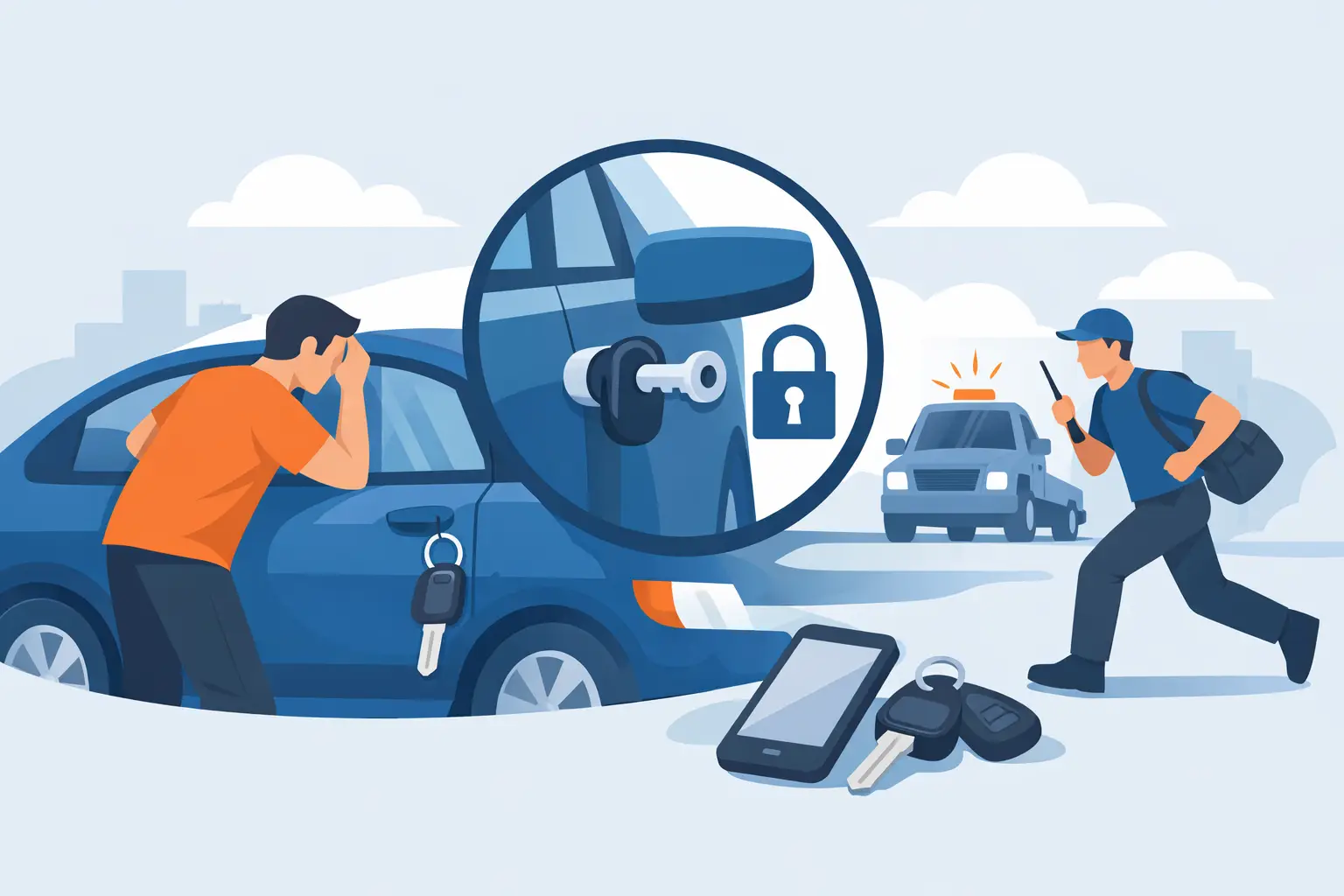
That sinking feeling hits fast – your keys are on the seat, the door is shut, and you are standing outside your own car in the South Florida heat. If you are wondering how to handle vehicle lockout without making the situation worse, the first priority is simple: stay calm, check your surroundings, and avoid forcing your way in.
A car lockout can happen in a grocery store parking lot, outside your office, at a gas station, or in your own driveway. It can happen to parents loading kids, delivery drivers moving fast between stops, and commuters trying to get through a long day. The mistake many drivers make is turning a fixable problem into an expensive one by trying shortcuts that damage the vehicle.
How to Handle Vehicle Lockout Without Causing Damage
The safest way to approach a lockout is to slow down for a minute and assess what kind of situation you are dealing with. Not every lockout is the same. Sometimes the keys are visible inside. Sometimes they are in the trunk. Sometimes the key fob battery is dead and the car is not truly locked in the usual sense.
Start by checking every door and the trunk carefully. A rear passenger door may still be open even when the driver door is not. If your vehicle has a hatch, test that too. Do this once, gently, and do not keep pulling hard on handles if the car is clearly secured.
Next, think about your spare key. If you have one at home, with a family member, or stored in a wallet or magnetic key case, this may be the fastest answer. But it depends on distance and safety. If you are stranded late at night in Fort Lauderdale, Hollywood, Miramar, Weston, or Pembroke Pines, waiting alone for a spare key may not be your best option.
If your vehicle uses a smart key or push-button start, check whether the fob battery may be the real issue. In some vehicles, a dead fob battery can leave you unable to open or start the car normally. Your owner manual may explain a manual key release hidden inside the fob. If you know your vehicle well, that can save time. If not, guessing can waste more of it.
What Not to Do During a Vehicle Lockout
This is where drivers often make a costly decision. Coat hangers, screwdrivers, wedges from random hardware, and online tricks can scratch paint, bend door frames, tear weather stripping, break clips, and damage internal lock components. On newer vehicles, they can also interfere with wiring, airbags, or electronic systems in the door.
There is also a safety issue. If you are parked on the shoulder, in a busy lot, or on a dark side street, standing outside your car for too long while trying DIY methods puts you at risk. South Florida weather adds another problem. Heat, heavy rain, and sudden storms can turn a stressful lockout into a dangerous wait.
Breaking a window is almost never the right first move. It creates injury risk, leaves your vehicle exposed, and usually costs far more than professional lockout service. The only exception is a real emergency where a child, pet, or vulnerable passenger is trapped inside and in immediate danger. In that case, call 911 first.
When to Call for Professional Lockout Help
If basic checks do not solve the problem quickly, professional roadside assistance is usually the smartest next step. A trained lockout technician has the right tools to access the vehicle with far less risk of damage than improvised methods. That matters whether you drive a compact sedan, SUV, pickup, work van, or fleet vehicle.
This is especially true with modern cars. Many newer models have tighter seals, advanced anti-theft systems, and keyless entry features that make old-school DIY tricks unreliable. What worked on a car twenty years ago can do real damage to one today.
Fast help matters even more if you are locked out in a high-traffic area, with groceries melting in the trunk, with a phone battery running low, or with kids waiting nearby. In those moments, speed and experience are not a luxury. They are the service.
A local roadside provider can also help you make a better call based on your exact situation. If the issue is actually a dead battery, key fob problem, or another roadside failure, an experienced team can spot that quickly and respond with the right service.
How to Stay Safe While Waiting
Once help is on the way, shift your attention to safety. If you are in a parking lot, stay in a visible, well-lit area near other people when possible. If you are on the side of the road, move away from traffic and stand clear of the vehicle. Turn on your hazard lights if they are accessible.
Keep your phone charged as much as possible and be ready to answer calls from dispatch. If you are in an unfamiliar area, share your location with a family member or coworker. For parents and caregivers, keep children close and out of traffic lanes. For commercial drivers, notify your dispatcher or customer early so the delay does not create a larger problem.
Heat is a major factor in South Florida. If you are waiting during the day, look for shade and drink water if you have it. A lockout is frustrating, but staying physically safe matters more than shaving off a few minutes.
Common Reasons Lockouts Happen
Knowing why lockouts happen can help you avoid the next one. The most common cause is simple routine disruption. You are carrying bags, answering a call, dealing with kids, unloading tools, or rushing between stops. You set the keys down for one second, the doors auto-lock, and that is it.
Another common issue is electronic failure. Weak key fob batteries, malfunctioning door sensors, or worn-out keys can all create lockout situations that feel random. Some drivers also get locked out after a dead battery because electronic systems stop responding the way they normally do.
Commercial drivers and fleet operators deal with a different version of this problem. Repeated stops, tight delivery schedules, and drivers switching vehicles all increase the chances of keys being left behind or doors being secured too quickly.
How to Prevent the Next Vehicle Lockout
The best prevention is simple and consistent. Keep a spare key in a secure place that you can actually access when needed. For some drivers, that means a trusted family member nearby. For others, it means a properly stored backup key in a wallet, purse, or work bag.
Replace your key fob battery before it becomes unreliable. If your fob has been inconsistent, slow to respond, or only working at close range, do not wait for a full failure. A small battery change can prevent a much bigger disruption.
Build a quick habit before closing the door. Check for keys, phone, and wallet every time. It sounds basic, but routine prevents a lot of roadside calls. If you manage multiple vehicles for work, create the same habit across the whole fleet.
It also helps to save the number of a trusted local roadside service before you need it. During a lockout, most people are not comparing five companies and reading every review in detail. They want a dependable team that answers fast, shows up, and handles the job without damage or runaround.
How to Handle Vehicle Lockout in South Florida
South Florida drivers deal with conditions that make quick roadside response especially important. Afternoon storms, intense heat, crowded parking lots, beach traffic, and heavy commuter routes can all turn a lockout into a bigger disruption. What looks like a minor issue at first can quickly affect your schedule, your safety, and your stress level.
That is why local coverage matters. A provider familiar with Miramar, Pembroke Pines, Hollywood, Weston, and Fort Lauderdale can often respond more efficiently than a company trying to cover a much wider area without the same local presence. If you are stuck at an apartment complex, shopping center, office park, hotel, or roadside shoulder, local knowledge saves time.
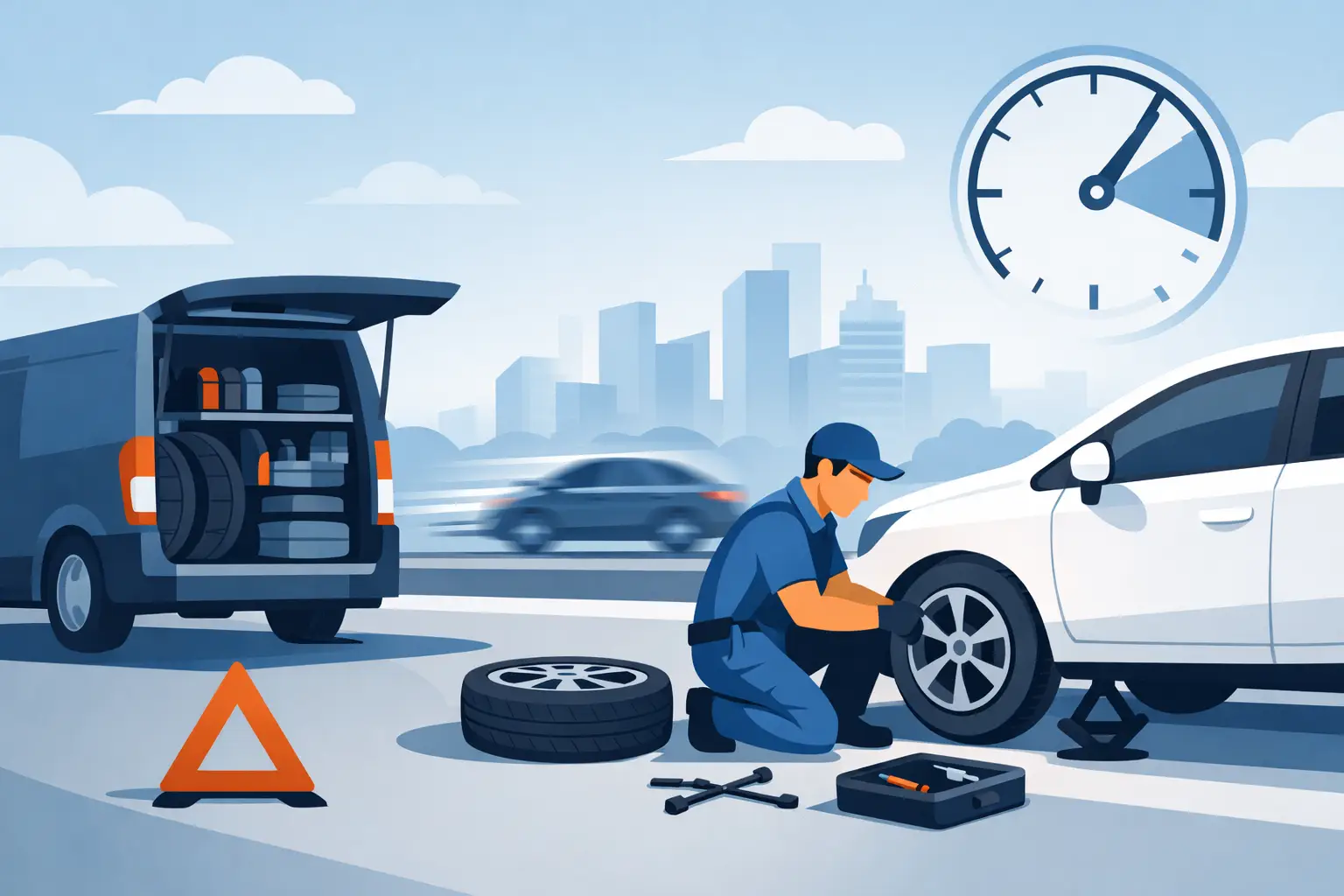
For drivers who need immediate roadside support, ITow&Recovery handles vehicle lockout situations with the same fast-response approach used for towing, jump starts, tire changes, and fuel delivery across South Florida. The goal is straightforward – get to you quickly, access the vehicle carefully, and help you move on with your day.
A vehicle lockout feels personal because it stops everything at once. But most of the time, it is a short-term problem with a clear solution. Stay calm, do not force the door, and get the right help on the way so a frustrating moment does not turn into unnecessary damage.