
A car stopped in the wrong place can turn into a safety problem fast. If you have ever wondered what is emergency towing, the simple answer is this: it is immediate towing or roadside transport for a vehicle that cannot be driven safely and needs fast removal from a road, parking lot, shoulder, or accident scene.
That sounds straightforward, but the reason people call for emergency towing matters just as much as the tow itself. In South Florida, vehicles break down in traffic, overheat in the heat, get flats on busy roads, run out of gas, or end up disabled after a collision. In those moments, drivers are not looking for a delayed appointment. They need a local company that can respond quickly, secure the vehicle, and get them out of a stressful situation.
What Is Emergency Towing?
Emergency towing is a fast-response service for vehicles that are disabled, unsafe to drive, stuck, or blocking traffic. It is different from a scheduled tow because the problem is happening now, not later. The goal is to move the vehicle as quickly and safely as possible, whether that means towing it to a repair shop, your home, a body shop, or another secure location.
In real life, emergency towing often starts with urgency rather than damage level. Your car does not need to be totaled for the situation to qualify. A dead battery in your driveway may only need a jump start, but if your vehicle dies in a travel lane, on a highway shoulder, or after a crash, the situation becomes more serious. Safety, traffic flow, and vehicle condition all play a role.
When Emergency Towing Is Usually Needed
The most common reason is a breakdown that leaves the vehicle undrivable. That can mean engine failure, transmission trouble, overheating, steering issues, brake problems, or a tire blowout that cannot be fixed on the spot. If the car cannot move under its own power or should not be driven, towing is usually the right call.
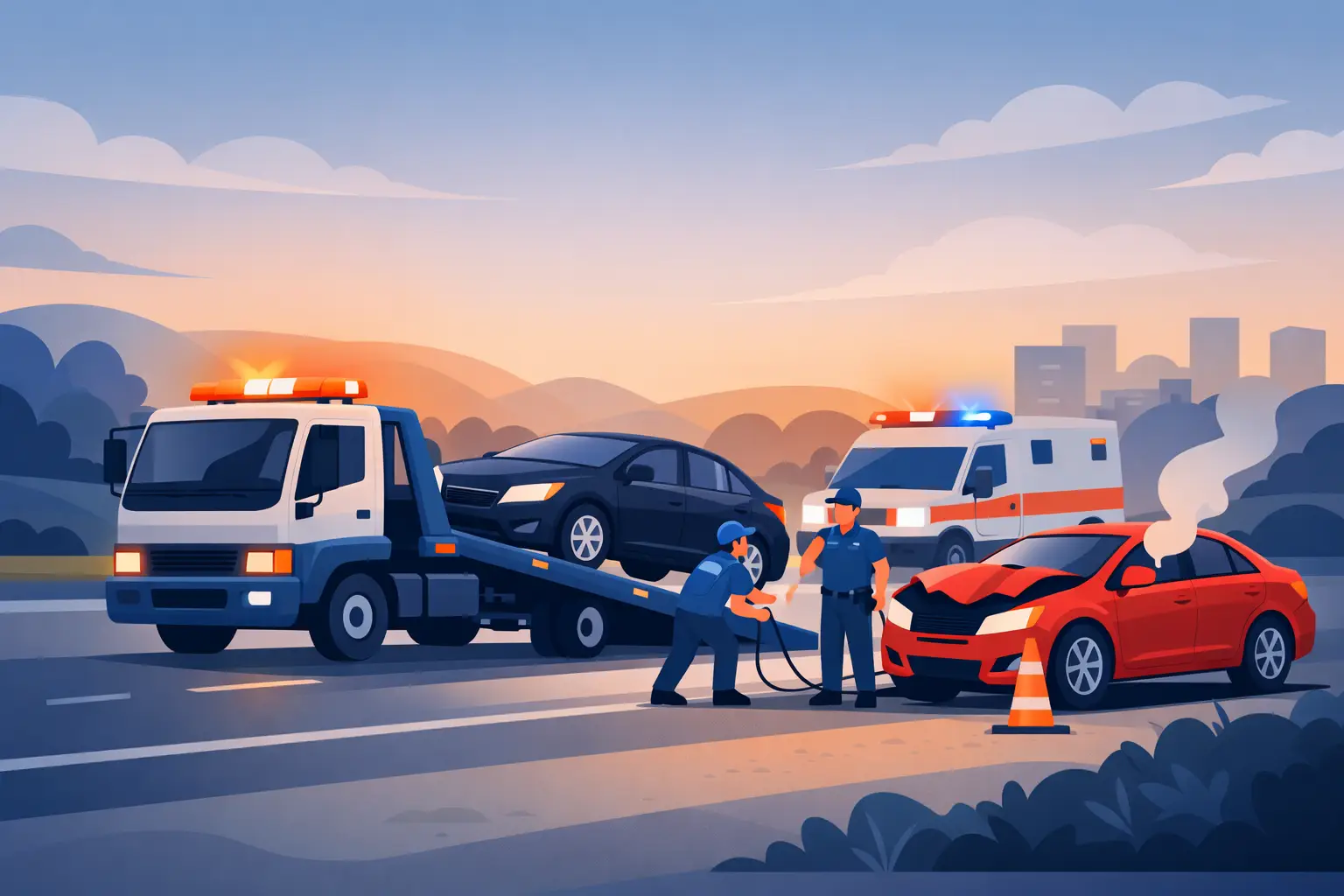
Accidents are another major reason. Even if the damage looks minor, a collision can affect alignment, suspension, axles, or fluid lines. A vehicle may still roll, but that does not mean it is safe to drive. Emergency towing helps remove the vehicle from the scene and prevents a bad situation from getting worse.
Lockouts, dead batteries, flat tires, and empty gas tanks do not always require a tow. Sometimes roadside assistance solves the problem faster. But it depends on the vehicle, the location, and the condition of the driver. If the issue cannot be fixed safely where you are, towing may be the safer option.
A vehicle stuck in mud, sand, a ditch, or a flooded edge of the road can also require emergency recovery before towing. In South Florida, heavy rain and roadside conditions can turn a simple pull-off into a recovery job. That is why many emergency service calls involve more than just hooking up a car and driving away.
What Happens During an Emergency Towing Call
Once you call, the first step is figuring out what happened and where you are. The dispatcher typically asks for your location, the type of vehicle, what went wrong, and whether the car is in traffic, in a parking garage, off the road, or at an accident scene. That information helps send the right truck and equipment.
When the driver arrives, the vehicle is assessed before loading. This matters because not every vehicle should be towed the same way. A standard tow may work for some cars, while others need a flatbed, wheel-lift, or recovery setup. If there is accident damage, low clearance, or drivetrain concerns, the tow method should match the situation.
The vehicle is then secured and transported to the destination you choose, unless law enforcement or property rules require otherwise. In many cases, drivers want the car taken to a local mechanic, body shop, dealership, or home. The best emergency towing service makes that process clear and efficient instead of adding more confusion to an already stressful moment.
Emergency Towing vs. Roadside Assistance
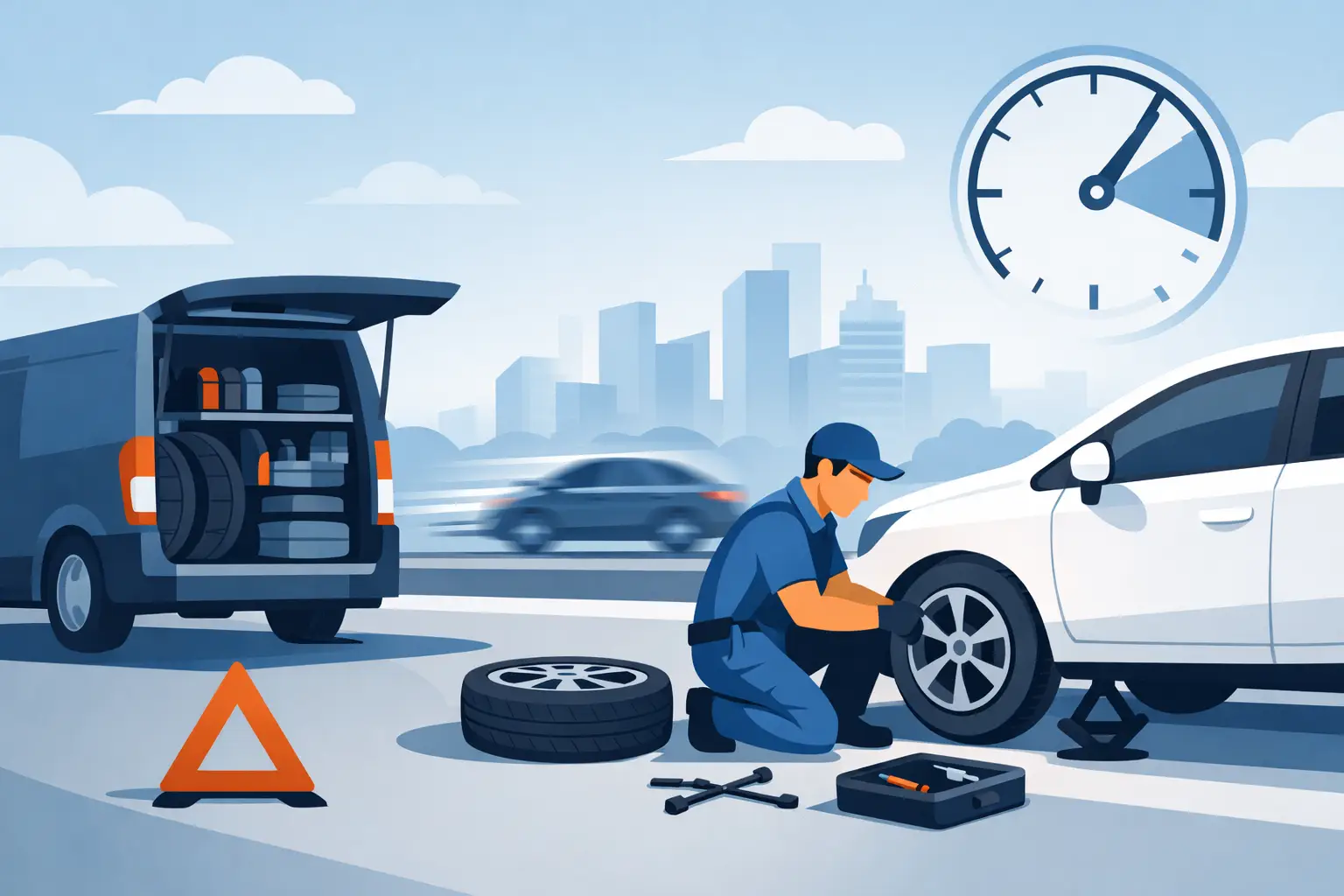
People often use these terms like they mean the same thing, but they are not identical. Roadside assistance is meant to get you moving again without transporting the vehicle. That includes jump starts, tire changes, fuel delivery, and lockout service.
Emergency towing comes into play when roadside help is not enough or the situation is not safe for an on-site fix. For example, a flat tire in your driveway may only need a tire change. A shredded tire on I-75 during heavy traffic may call for a tow because the location itself creates risk.
That difference matters because a good provider should not sell you a tow if a faster, lower-cost roadside service will solve the problem. On the other hand, trying to avoid a tow when the vehicle is unsafe can cost more later through added damage or a second breakdown.
Why Fast Response Matters
With emergency towing, time matters for more than convenience. A disabled vehicle on a busy road increases the risk of another collision. A car left in an unsafe spot can create traffic issues, attract enforcement action, or become harder to recover later. If you are stranded with family, at night, or in bad weather, waiting around is the last thing you want.
That is why local coverage matters. A company that already operates across Miramar, Pembroke Pines, Hollywood, Weston, and Fort Lauderdale can usually respond more efficiently than a provider coming from far outside the area. Familiarity with local roads, traffic patterns, apartment communities, shopping areas, and highway access points can make the response smoother.
Speed still has to be paired with care. Quick towing should never mean careless towing. The right service protects your vehicle during loading, transport, and drop-off while also helping you feel less overwhelmed in the moment.
How to Know If You Need Emergency Towing Right Now
A practical rule is this: if the vehicle cannot be driven safely, is stuck, is damaged after an accident, or is putting you in a dangerous location, emergency towing is the right move. If you are unsure, explain the issue clearly when you call. A professional dispatcher should help determine whether you need towing, roadside assistance, or recovery.
There are also situations where drivers try to push through and regret it. A car that overheated once may overheat again within minutes. A bent wheel, leaking fluid, or damaged suspension can turn a short drive into a much bigger repair bill. Saving the tow fee today can end up costing far more tomorrow.
For commercial drivers and small fleets, that decision is even more important. Keeping a damaged or disabled work vehicle on the road can affect deliveries, schedules, and liability. Fast towing helps reduce downtime and gets the problem into the hands of a repair shop sooner.
What to Look for in an Emergency Towing Company
The basics are simple. You want a company that answers quickly, dispatches fast, explains pricing clearly, and has the equipment to handle your specific vehicle and situation. Availability matters too. Breakdowns do not wait for business hours.
Local knowledge is a real advantage, especially in South Florida. Traffic, weather, flooding, and crowded roadways can all affect how a vehicle is accessed and moved. A provider with strong local coverage is usually better positioned to respond without delay.
You also want professionalism. That includes clear communication, careful handling, and the ability to deal with everything from passenger cars to work trucks. ITow&Recovery is built around that kind of fast, practical response for drivers across Broward County who need help now, not tomorrow.
What Is Emergency Towing in Real Terms?
It is the service you call when your vehicle problem has crossed the line from inconvenient to urgent. It means getting your car off the road, out of danger, and on its way to a safe destination with as little extra stress as possible.
For some drivers, that happens after a crash. For others, it is a breakdown in the middle of a workday, a dead car in a bad location, or a vehicle stuck after heavy rain. The details change, but the need is the same – quick help, safe handling, and a local team that knows how to respond under pressure.
If your car will not move, should not be driven, or is leaving you stranded in an unsafe spot, do not guess. Getting the right help quickly can protect your vehicle, your schedule, and most importantly, your safety.