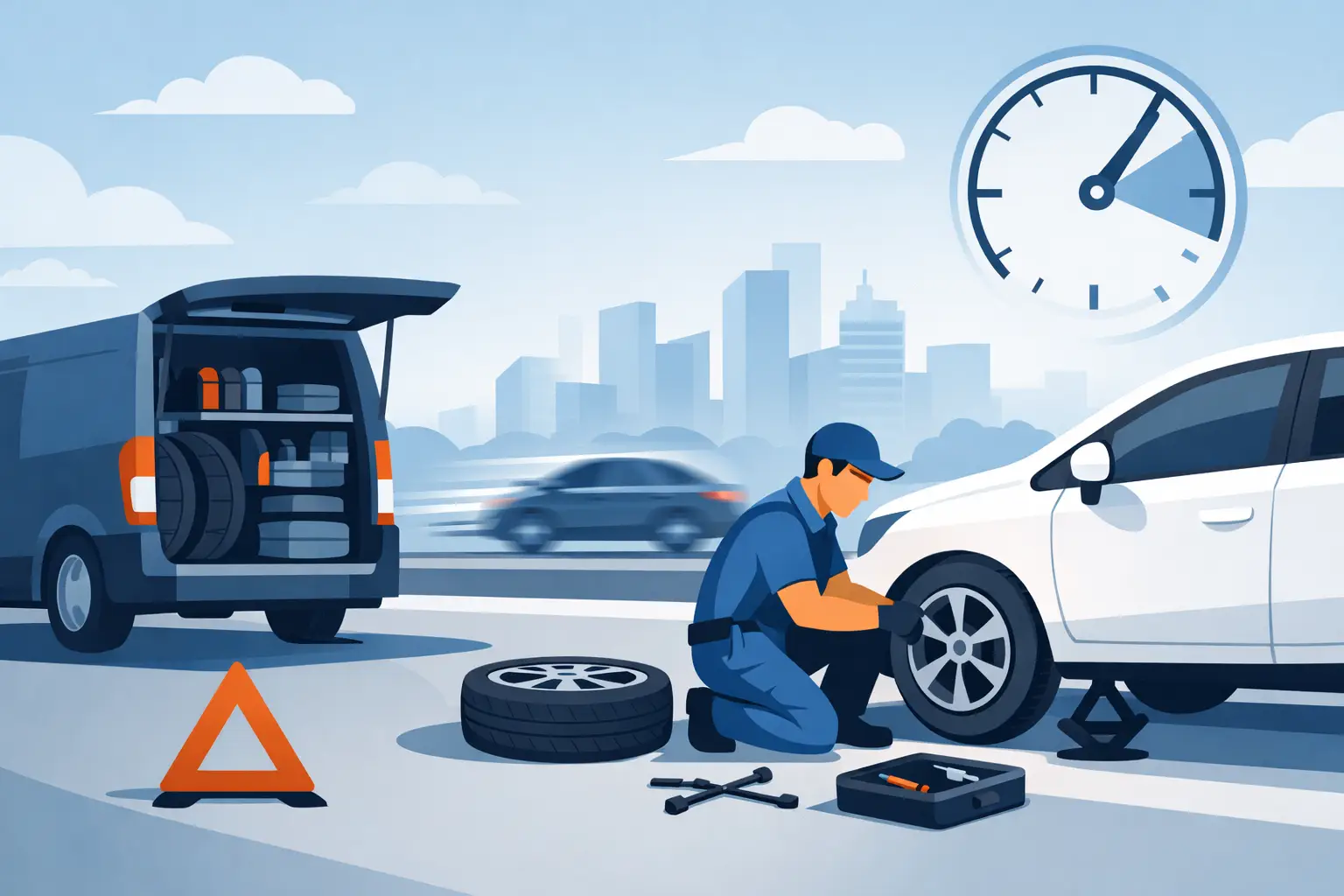

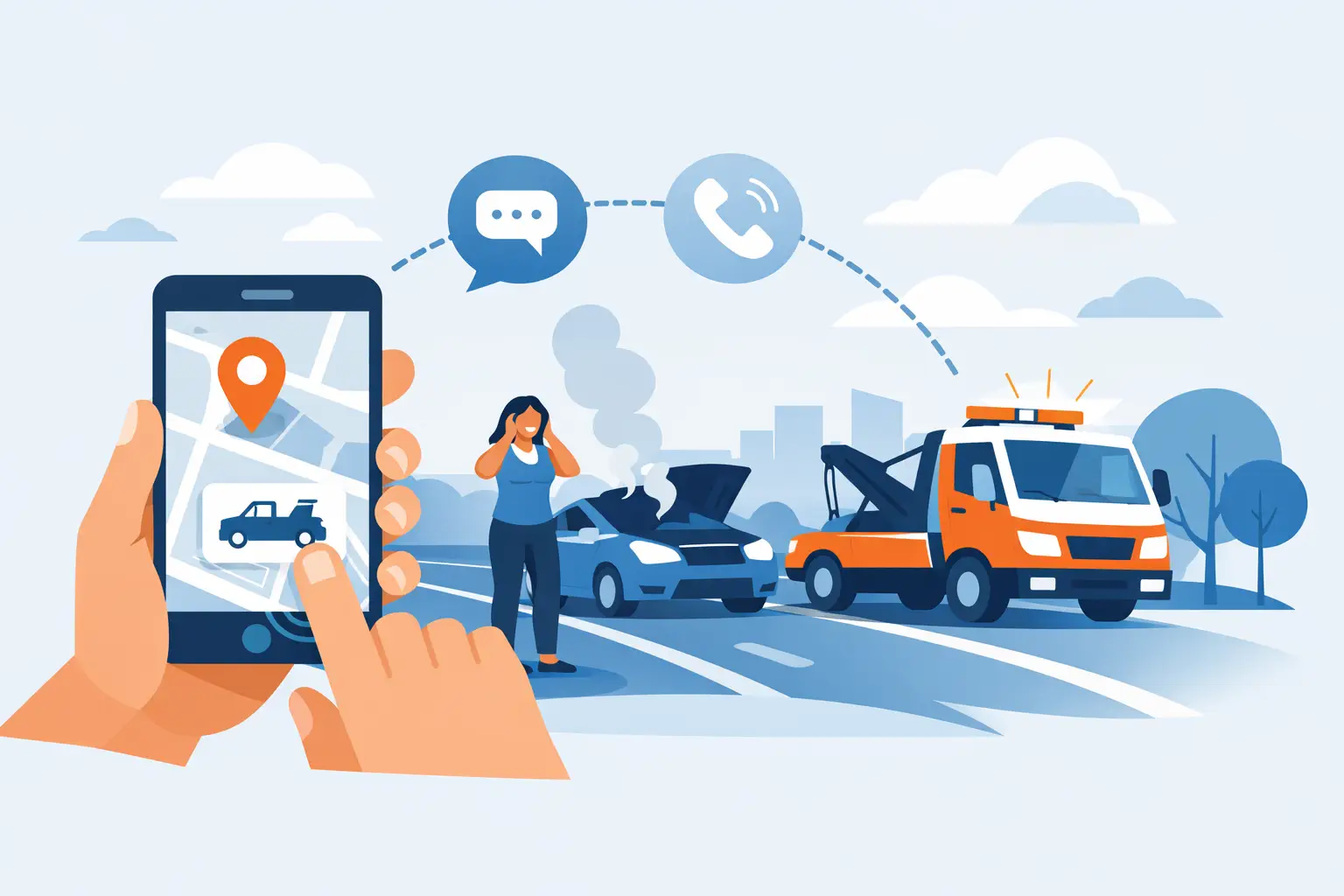
A dead battery in a Miramar parking lot or a flat tire on I-75 can turn a normal day into a time-sensitive problem fast. If you are wondering how to request roadside dispatch, the goal is simple – get the right help to the right location without wasting time. The faster and clearer you are when you call, the faster a towing or roadside team can get moving.
How to request roadside dispatch without delays
The biggest mistake drivers make is calling before they know where they are or what kind of help they actually need. Roadside dispatch works best when the dispatcher can quickly match your situation with the right truck, driver, and equipment. That matters whether you need a jump start in Pembroke Pines, a tow after a crash in Fort Lauderdale, or lockout service in Hollywood.
Start by pulling over safely if the vehicle can still move. Turn on your hazard lights and get out of traffic if possible. If you are on a busy road, shoulder, bridge, or highway ramp, your safety comes first. Once you are in a safer spot, call for service and be ready to give clear details.
When you request roadside dispatch, the dispatcher usually needs five things right away: your exact location, your vehicle type, the problem, whether the vehicle is in a safe accessible position, and a callback number. If you are unsure about the issue, that is fine. Describe what happened. Saying the car will not start, the tire blew out, the keys are locked inside, or the engine overheated is more useful than trying to guess at a mechanical diagnosis.
What information to give when you request roadside dispatch
Your location is the first priority. An address is best, but many roadside calls happen where there is no easy street number. In that case, give the closest intersection, highway mile marker, exit number, business name, parking lot section, or visible landmark. In South Florida, that could mean saying you are westbound near an exit in Weston or in a shopping center off Pines Boulevard rather than just naming the city.
Next, describe the vehicle. The dispatcher should know the make, model, color, and whether it is a car, SUV, pickup, van, motorcycle, or commercial vehicle. This helps them send the proper truck and tools. A compact sedan with a dead battery is different from a work van that needs towing, and both are different from a vehicle stuck in mud that may need winch-out service.
Then explain the issue in simple terms. Common dispatch requests include towing after a breakdown, jump starts, tire changes, lockout service, fuel delivery, accident towing, and recovery when a vehicle is off the road. If the car was in a collision, mention that immediately. Accident scenes can involve added urgency, traffic exposure, and vehicle damage that changes how the tow is handled.
Finally, mention anything that may slow access. If your car is in a garage with low clearance, in a gated apartment complex, facing the wrong direction on a narrow shoulder, or has a wheel locked, say so early. Those details can save time and prevent the wrong equipment from being sent.
The fastest way to get the right roadside help
A quick call is good, but a useful call is better. Dispatch is not just about speed. It is about accuracy. If you leave out key details, the truck may arrive without the equipment needed for the job, and that can create more delay than spending one extra minute on the phone.
That is why it helps to stay calm and answer questions directly. If the dispatcher asks whether the car is all-wheel drive, whether the keys are available, or whether the vehicle rolls freely, they are not slowing things down. They are making sure the right service gets to you the first time.
Photos can also help in some cases, especially after an accident or if the vehicle is stuck off pavement. Not every dispatch call will require them, but being able to describe the scene clearly can make a real difference. If your vehicle is in an unusual position, say that up front.
When to ask for towing instead of basic roadside service
Some drivers call for the cheapest service first, hoping the issue is minor. Sometimes that works. Sometimes it adds time because the vehicle really needed a tow from the beginning. If the engine failed, the car overheated badly, the transmission is slipping, the vehicle was in a collision, or a warning light came on with obvious drivability issues, towing is often the smarter call.
On the other hand, a flat tire, dead battery, empty tank, or lockout can often be handled roadside if the conditions are safe and the vehicle is otherwise fine. It depends on where you are, what happened, and whether the car can be serviced where it sits. A tire change on a quiet side street is one thing. A tire issue on a narrow highway shoulder during heavy traffic may still end up needing a tow for safety reasons.
This is where an experienced local dispatcher matters. A company serving Miramar, Weston, Hollywood, Pembroke Pines, and Fort Lauderdale knows which roads create dangerous wait conditions and which situations need a faster tow response instead of basic roadside help.
What to expect after you request roadside dispatch
Once the dispatcher has your details, they will assign the job based on location, urgency, and service type. You may be given an estimated arrival time, but keep in mind that traffic, weather, accidents, and call volume can affect timing. South Florida roads can change quickly, especially during rush hour or storms.
You should keep your phone nearby after the call. Drivers sometimes need to confirm your exact spot, especially in large apartment complexes, shopping centers, office parks, or highway areas with limited access points. If your phone dies after placing the call, that creates a problem. If your battery is low, mention it.
While you wait, stay somewhere safe. If you are on the side of a major road and it is dangerous to remain in the vehicle, move to a safer area away from traffic if conditions allow. If you are in a secure parking lot or residential area, stay close enough to meet the driver when they arrive. Safety decisions depend on the setting, so use common sense and follow any instructions given during dispatch.
Common mistakes that slow down dispatch
The most common delay is vague location information. Saying you are on I-95 is not enough. You need a direction, a nearby exit, or another marker. The second biggest issue is underreporting the problem. If you ask for a jump start but the vehicle was in an accident and will not roll, that changes everything.
Another mistake is leaving out vehicle details. Oversized pickups, low-clearance cars, electric vehicles, and commercial units may require different handling. If your car is lowered, stuck in a tight spot, or has damage that affects wheel movement, mention it. It is better to over-explain than to leave the dispatcher guessing.
Some drivers also focus only on price when the real issue is urgency and fit. Cost matters, especially if you are already dealing with a stressful day. But the cheapest option is not always the fastest or most prepared. When you are stranded, what matters most is getting dependable help that can solve the problem without another round of calls.
Roadside dispatch in South Florida takes local knowledge
Local service matters when every minute counts. A dispatcher who knows Broward County can understand your location faster, estimate travel more realistically, and send the right help without asking unnecessary questions. That is especially useful in areas with heavy traffic flow, dense neighborhoods, gated communities, and busy commercial corridors.
For drivers in Miramar, Pembroke Pines, Hollywood, Weston, and Fort Lauderdale, roadside problems rarely happen at a convenient time. It could be before work, after a late shift, during school pickup, or in the middle of a summer downpour. A local provider like ITow&Recovery understands that the call is not just about a car problem. It is about getting you moving again with as little disruption as possible.
If you ever need to request roadside dispatch, keep it simple. Know your location, describe the problem clearly, share the vehicle details, and answer questions directly. That one steady phone call can be the difference between a long roadside wait and getting real help on the way. When the unexpected happens, clear information is your fastest route back to safety.