
One minute your car is driving normally, and the next you are on the shoulder with flashers on, wondering if this is a quick fix or a real towing situation. If you are asking when should a car be towed, the safest answer is simple: if driving it could make the damage worse, put you at risk, or leave you stranded again a mile later, it is time to call for a tow.
That decision matters more than most drivers realize. A lot of vehicle problems start small and turn expensive because someone tries to limp the car home, to work, or to the nearest shop. In South Florida traffic, that gamble gets even riskier. Heat, rain, crowded roads, and fast-moving traffic in places like Miramar, Pembroke Pines, Hollywood, Weston, and Fort Lauderdale can turn a breakdown into a dangerous situation fast.
When should a car be towed instead of driven?
A car should be towed any time it is unsafe, unreliable, or mechanically unable to continue. That includes obvious emergencies like accident damage, overheating, steering problems, brake failure, a major fluid leak, or a flat tire with no safe replacement option. It also includes less dramatic problems that still make driving unpredictable, like a car that stalls repeatedly, will not shift properly, or has severe vibration.
A good rule is this: if you do not trust the vehicle to make it safely to your destination, do not force it. Roadside assistance can solve some problems on the spot, but towing is the right move when the issue affects control, visibility, braking, engine protection, or basic drivability.
Signs your car needs towing right away
Some situations are not really judgment calls. If any of these happen, towing is the smarter move.
After an accident
Even if the car still starts, collision damage is not always visible at first glance. A bent frame, damaged suspension, leaking radiator, rubbing tire, or jammed wheel can make the vehicle dangerous to move under its own power. If the airbags deployed, the steering feels off, or any fluid is leaking after impact, do not keep driving.
The engine is overheating
If steam is coming from the hood or the temperature gauge is climbing into the red, stop driving. Continuing to move an overheating vehicle can lead to severe engine damage, including a blown head gasket or warped engine components. Pull over safely, turn the engine off, and get help.
You have no braking power or poor steering control
This is an immediate tow situation. Soft brakes, grinding when braking, a steering wheel that suddenly gets stiff, or a car that pulls hard to one side can make the vehicle unsafe in seconds. On busy roads, there is no room to guess.
There is a major fluid leak
A small drip might not be urgent, but a visible puddle under the car is different. Coolant, transmission fluid, brake fluid, or oil loss can turn into a breakdown or safety issue very quickly. If the leak is active and noticeable, towing protects both the car and the driver.
The car will not start and a jump will not solve it
A dead battery is often a roadside fix. But if the vehicle still will not start after a proper jump, the issue may be the starter, alternator, ignition system, or something more serious. At that point, towing is usually the most practical option.
A tire is damaged beyond a simple change
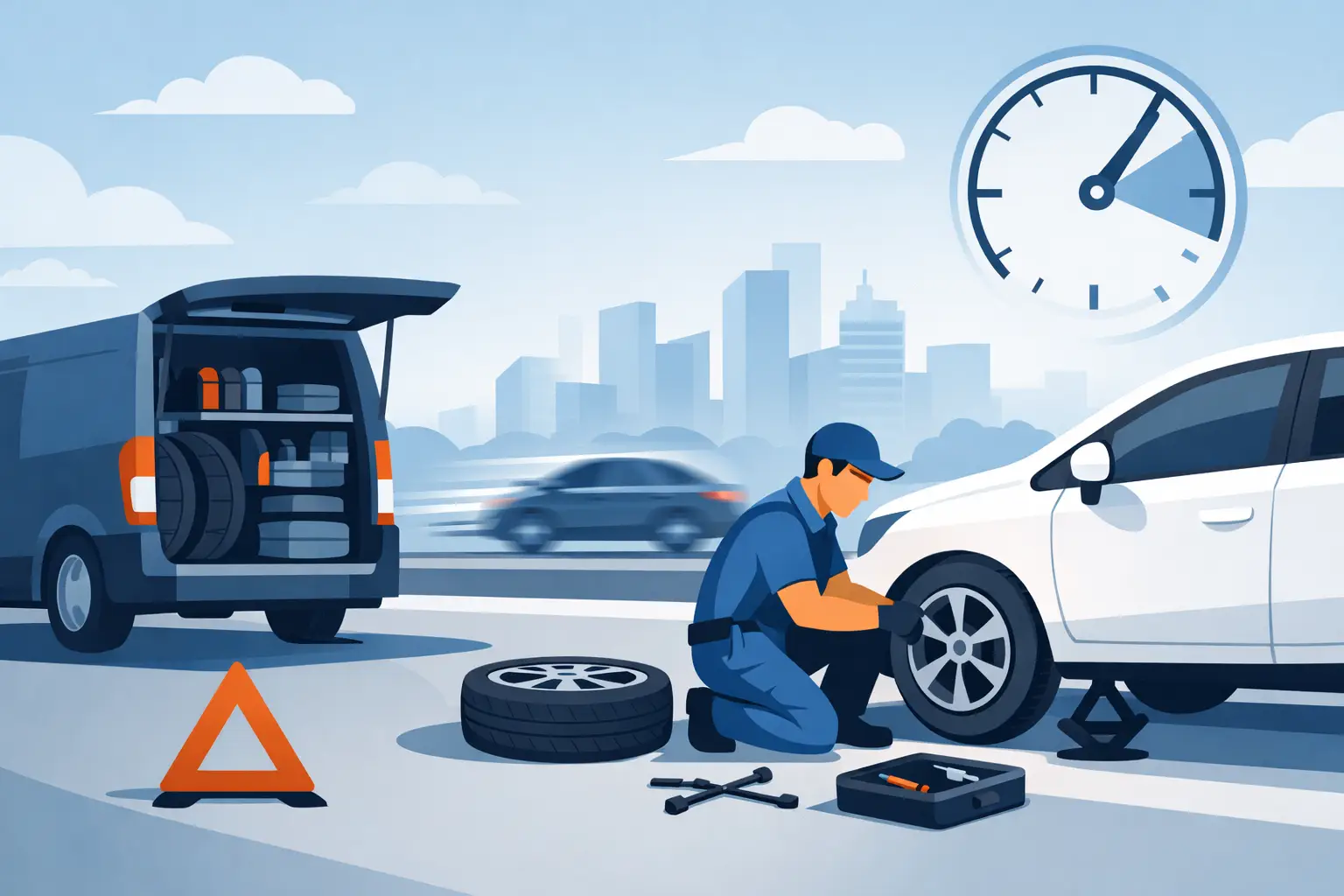
A basic flat with a usable spare is one thing. A blown tire, damaged wheel, stripped lug nuts, missing spare, or unsafe location on the side of the road changes the situation. If replacing the tire is not safe or possible, towing may be the best next step.
Problems that may not need a tow
Not every roadside problem means the car has to go on a truck. That is where practical judgment matters.
A dead battery can often be handled with a jump start. Running out of gas is usually solved with fuel delivery. Locking your keys in the car is frustrating, but it does not make the vehicle undrivable once access is restored. Some flat tires can be changed on site if you have a good spare and the vehicle is parked in a safe place.
The issue is not just what broke. It is whether the problem can be fixed safely where you are. On a quiet residential street, roadside help may be enough. On I-75, Florida’s Turnpike, or a crowded local road in heavy heat or rain, even a minor issue can justify towing because of the danger around the vehicle.
When should a car be towed after a warning light comes on?
Warning lights do not all mean the same thing. Some are alerts to schedule service soon. Others mean stop now.
If the check engine light is steady and the car still drives normally, you may be able to continue cautiously for a short distance. But if that light is flashing, the engine may be misfiring badly enough to damage major components. In that case, towing is the safer choice.
An oil pressure light, charging system light with failing power, brake warning light, or temperature warning should always be taken seriously. If the car is losing power, making unusual noise, or showing multiple warnings at once, do not assume it will be fine for one more trip.
It depends on distance, speed, and traffic
One of the biggest mistakes drivers make is thinking, It is only a few miles. But short trips can still cause expensive damage.
A transmission that is slipping can fail completely in a short distance. A cooling system problem can go from manageable to major in a few minutes. A suspension issue can become a tire blowout. Even if the shop is close, the road conditions between you and that shop matter. Stop-and-go traffic in Fort Lauderdale or fast lanes near Weston are not forgiving when a car is already compromised.
This is where towing saves money, not just hassle. Paying for a tow is often cheaper than paying for the extra repairs caused by driving a damaged vehicle.
What commercial and fleet drivers should watch for
For delivery drivers, work vans, and small fleets, the towing decision often gets delayed because every minute off the road affects the schedule. That is understandable, but the same rule applies. If the vehicle is unreliable or unsafe, keep it out of service.
A commercial vehicle with brake issues, overheating, electrical problems, or steering trouble should be towed instead of pushed through one more route. The cost of a missed delivery is one thing. The cost of an accident, roadside breakdown, or larger repair bill is another.
What to do before the tow truck arrives
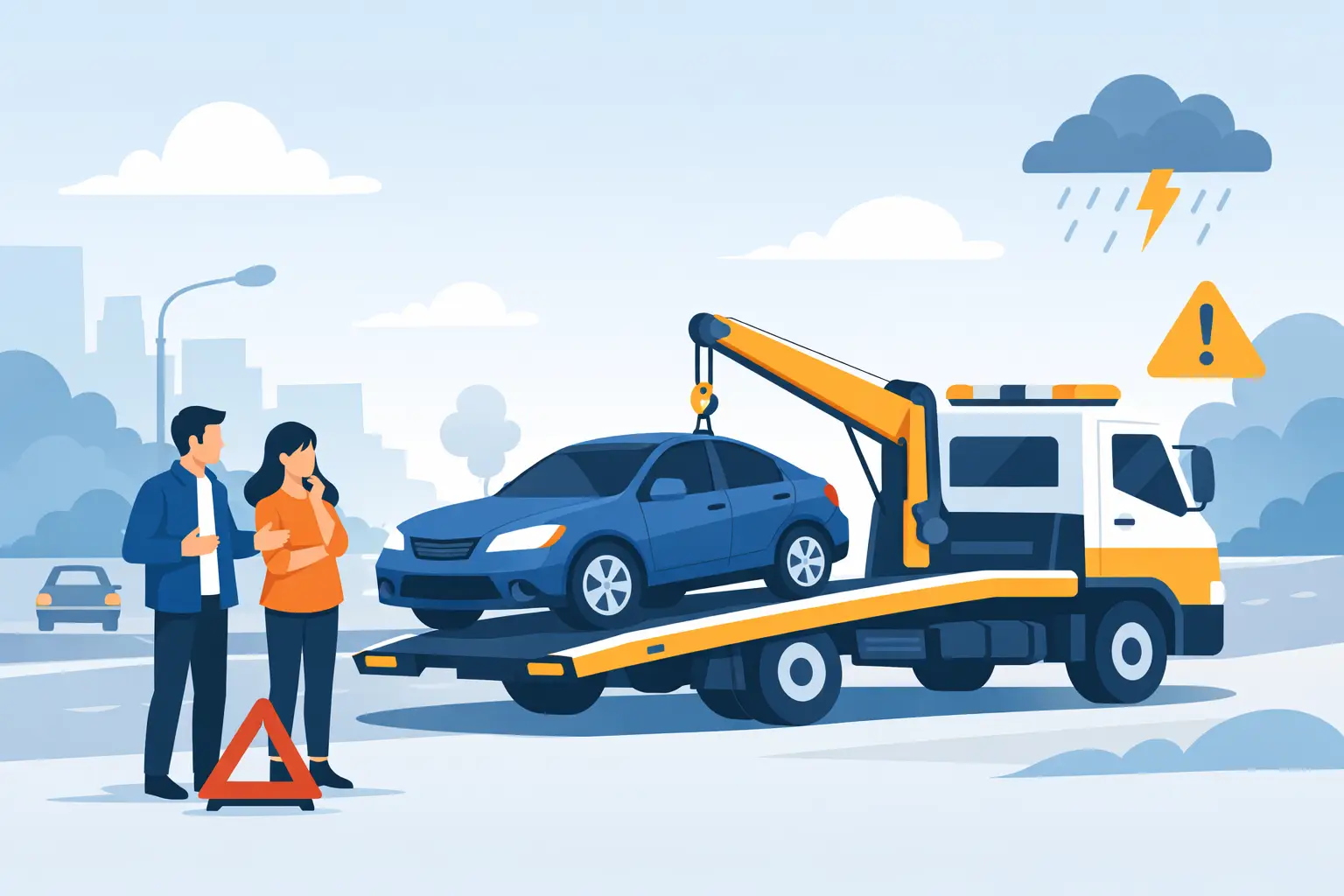
If you need towing, focus on safety first. Pull as far off the road as possible. Turn on your hazard lights. Stay inside the vehicle if traffic is moving fast and it is safer to remain buckled in, or move to a safe area away from traffic if you can exit safely. Keep children and passengers away from the roadway.
If you are able, note your location clearly. Nearby exits, mile markers, intersections, or landmarks help speed up dispatch. In urgent roadside situations across Broward County, a fast local response matters.
If you are in Miramar, Pembroke Pines, Hollywood, Weston, or Fort Lauderdale and the vehicle is not safe to drive, calling a 24/7 towing provider like ITow&Recovery can take the guesswork out of the situation. A quick dispatch and the right equipment can save time, prevent added damage, and get you and your vehicle where you need to go.
The safest answer is usually the cheapest one later
Drivers often wait too long because they hope the car will recover, or because the problem does not look dramatic enough to justify a tow. But if the vehicle cannot be driven safely, the smart move is to stop early. Towing is not just for wrecked cars. It is for any situation where continuing to drive could put you, your passengers, or your vehicle at greater risk.
If something feels off and you are debating whether to push through or call for help, trust the safer option. A tow can end a bad day before it becomes a much worse one.