
That strange noise, the warning light that will not turn off, the tire that gave out in traffic – these are the moments when the best reasons to tow become obvious fast. In South Florida, waiting too long can turn a manageable vehicle problem into a dangerous roadside situation. If your car, truck, SUV, or work vehicle is not safe to drive, towing is not overreacting. It is the smart call.
For many drivers in Miramar, Pembroke Pines, Hollywood, Weston, and Fort Lauderdale, the question is not whether a vehicle can still move. The real question is whether it should. A car that starts is not always a car that is safe to keep driving. That is where professional towing makes the difference.
The best reasons to tow are usually about safety
A lot of roadside trouble starts with people trying to push through one more mile. Maybe the engine is overheating, maybe the steering feels loose, or maybe the car was just in a minor collision and still seems drivable. That kind of guesswork can cost you more than a tow.
The best reasons to tow almost always come down to reducing risk. Driving a damaged or failing vehicle can put you, your passengers, and other drivers in danger. It can also make the repair bill worse. Towing gives you a controlled solution instead of a roadside gamble.
After an accident, towing protects more than your car
Even if the damage looks minor, accident-related problems are not always visible from the outside. A bent wheel, leaking fluid, suspension damage, or a misaligned frame can make a vehicle unsafe within minutes. Trying to drive it away can create a second incident.
After a crash, towing is often the safest next step because it removes uncertainty. Your vehicle can be moved without putting more stress on damaged parts, and you avoid being stranded later if hidden damage catches up with you. In heavy South Florida traffic, that matters.
Breakdowns rarely get better by themselves
If your engine quits, your transmission slips, your battery keeps dying, or your car stalls repeatedly, the road is not the place to experiment. A breakdown in a parking lot is frustrating. A breakdown on I-75, the Turnpike, or a busy local road is a different level of problem.
Towing gets the vehicle off the road and to a repair location without forcing the issue. In some cases, a roadside service like a jump start or tire change is enough. In others, towing is the only move that prevents a small issue from turning into a major repair.
When driving a little farther is a bad idea
Drivers often try to make it home, make it to work, or make it to the nearest shop under their own power. Sometimes that works. A lot of times it does not.
An overheating engine is a good example. If the temperature gauge is climbing or steam is coming from under the hood, driving farther can seriously damage the engine. The cost difference between stopping early and blowing the motor can be huge. The same goes for transmission trouble, brake issues, and steering problems.
Tire and wheel damage can make towing the safer option
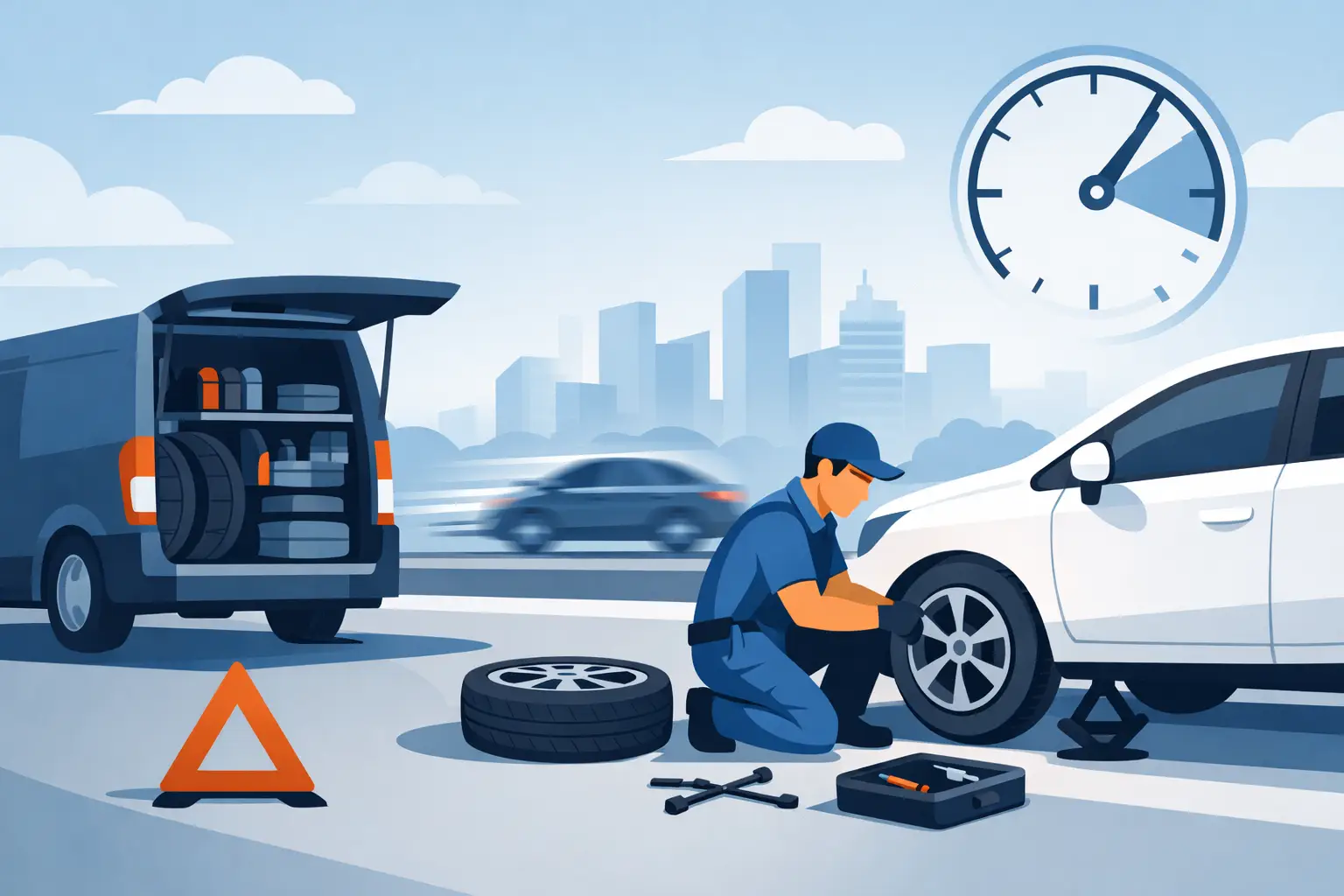
A flat tire does not always mean you need a tow. If you have a usable spare and a safe place to stop, a tire change may solve the problem. But there are situations where towing is the better call.
If the tire blew out at speed, if the rim is damaged, if multiple tires were affected, or if you are stuck in an unsafe location, do not force a roadside fix. Driving on a damaged wheel can ruin suspension components and make control worse. Towing removes that risk and gets the vehicle where it needs to go.
Brake and steering issues should never be pushed
If your brakes are grinding, sinking, locking up, or not responding normally, that is a stop-now situation. The same goes for steering that feels unusually loose, stiff, or unstable. These are not problems to monitor on the way home.
Towing is the right call because these systems are directly tied to control. If either one fails completely in traffic, the result can be severe. It is cheaper to tow than to deal with the consequences of losing stopping power or steering response.
The best reasons to tow include protecting your vehicle from more damage
Not every tow is about a total breakdown. Sometimes towing is the smarter financial choice because it prevents extra wear, parts failure, or body damage.
A lowered vehicle, luxury car, classic car, or all-wheel-drive vehicle may need careful transport after a problem. Dragging it improperly or trying to limp it along can create expensive issues. The same goes for vehicles with undercarriage damage after hitting debris, curbs, or road hazards.
Long-distance transport is not just for emergencies
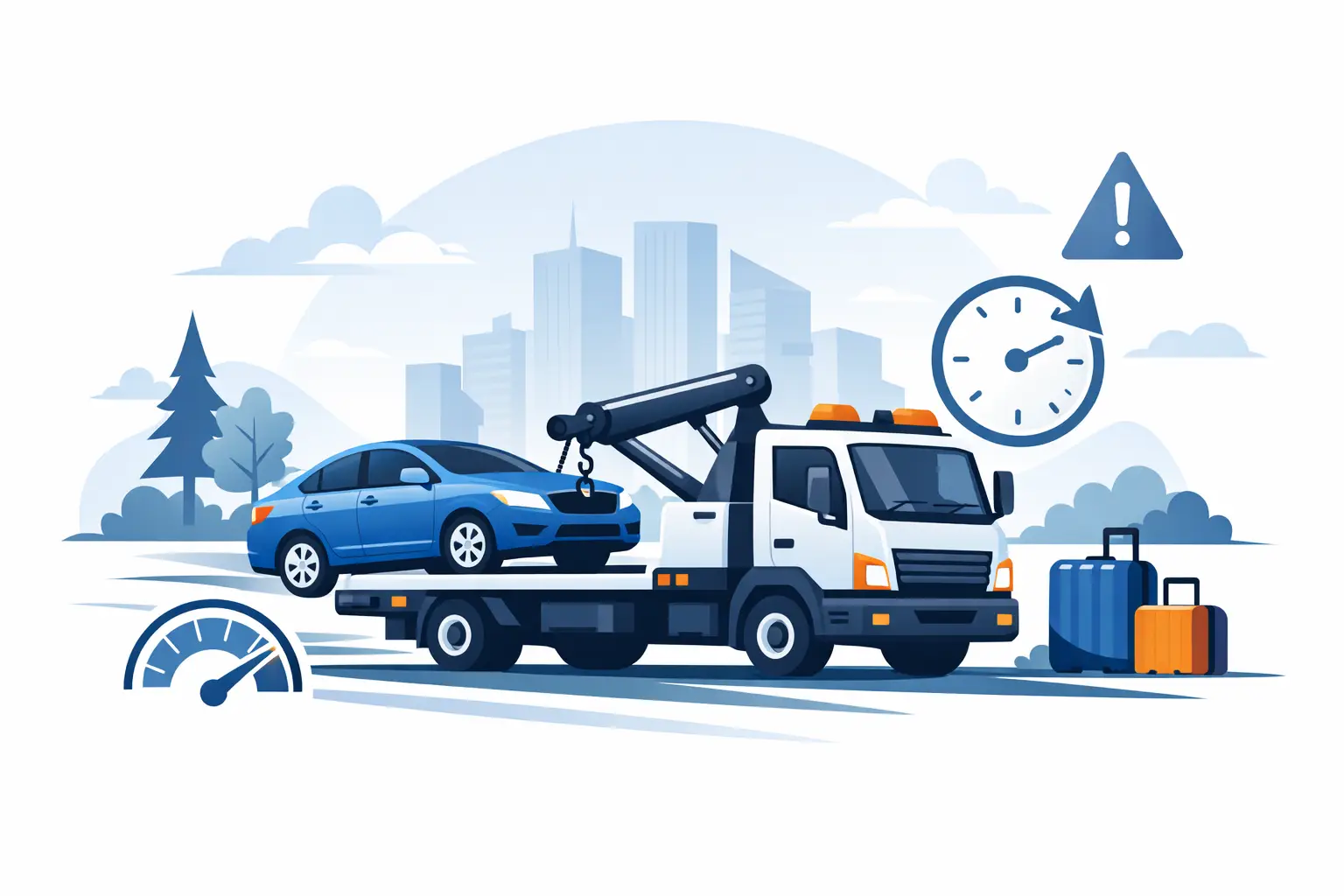
There are practical reasons to tow even when the vehicle is not in active distress. Maybe you bought a vehicle that is not road-ready yet. Maybe you are moving a car across town or across South Florida. Maybe a work truck needs to get to a shop without tying up your crew.
In those cases, towing saves time and avoids unnecessary mileage. It also gives you peace of mind if the vehicle has known issues, expired registration, or mechanical concerns that make driving a bad choice.
Commercial drivers lose more when a vehicle sits
For delivery drivers, contractors, and small fleet operators, downtime costs money fast. If a work truck or service vehicle is disabled, waiting around to figure it out can throw off the entire day.
Towing helps keep operations moving. Instead of having a driver stranded or a job delayed for hours, the vehicle can be removed, serviced, and replaced with less disruption. For businesses across Broward County, that kind of speed matters.
Local conditions make towing more urgent in South Florida
South Florida roads bring their own challenges. Heat, sudden rain, flooding, traffic congestion, and long daily commutes all make vehicle problems harder to manage. A battery that was weak yesterday may be dead today. A minor mechanical issue can become serious when your car is sitting hot on the shoulder.
If you are stopped in Miramar, Pembroke Pines, Hollywood, Weston, or Fort Lauderdale, fast response is not just convenient. It reduces your exposure to traffic and weather while getting your vehicle moved safely.
Flooded streets and stuck vehicles are a common towing situation
Heavy rain can turn a normal route into a recovery job fast. If your vehicle is stuck in standing water, mud, a soft shoulder, or off-road terrain, trying to power out can make things worse. Spinning tires can dig you in deeper, and water exposure can damage critical systems.
In those situations, towing or winch-out service is the safer option. The goal is not just to get the vehicle moving. It is to recover it without adding damage.
Knowing when not to drive is part of smart vehicle ownership
One of the best reasons to tow is simple judgment. If you do not trust the vehicle, trust that feeling. Drivers often know when something is off before they can explain exactly what it is. Maybe the car is shaking, maybe there is smoke, maybe a loud clunk started out of nowhere. You do not need to diagnose it perfectly on the roadside to decide it is not safe.
There is always a trade-off. Towing costs money, and some problems turn out to be minor. But compare that with the cost of engine failure, collision damage, or being stranded in a more dangerous place later. In most serious roadside situations, towing is the lower-risk choice.
That is why dependable local help matters. A company like ITow&Recovery is built for the moments when drivers need a quick answer, not a long debate. Whether the issue is a crash, flat, dead battery, off-road recovery, or a vehicle that just should not be driven another mile, the right response is fast, careful, and professional.
If your vehicle is giving you a reason to question the next mile, that is usually reason enough to stop pushing it.