
A dead battery rarely gives you a convenient warning. You walk out of work in Miramar, load groceries in Pembroke Pines, or stop for gas in Fort Lauderdale, and suddenly the car will not start. If you are wondering how to get battery boost without wasting time or making the problem worse, the first step is figuring out whether the battery is truly dead and whether a jump start is safe.
How to Get Battery Boost Without Delays
Most drivers notice the same signs. You turn the key or push the start button and hear clicking, the dashboard lights flicker, or nothing happens at all. In many cases, that points to a weak or drained battery. Headlights left on, an aging battery, extreme heat, and long periods without driving can all cause it.
South Florida heat is especially hard on batteries. A battery may seem fine one week and fail the next, especially if it is already a few years old. That is why speed matters. The longer you sit with a dead car in a parking lot, driveway, or roadside shoulder, the more stress and risk you deal with.
Before you try anything, put safety first. If the vehicle is stuck in traffic, on the side of I-75, or in an unsafe area, stay clear of moving vehicles and call for roadside help right away. Getting the car started matters, but staying safe comes first.
Check Whether You Really Need a Battery Boost
Not every no-start problem comes from the battery. If the engine cranks strongly but still will not start, the issue may be fuel delivery, ignition, or another mechanical failure. A battery boost helps when the battery does not have enough power to turn the engine over.
A few quick clues can help. If interior lights are very dim, the horn sounds weak, or electronics barely respond, the battery is a likely cause. If you hear one rapid click or repeated clicking, that also often points to low battery power. If there is no power at all, the battery could be completely drained, a terminal connection could be loose, or a larger electrical issue may be involved.
This is where many drivers lose time. They keep trying to start the car again and again, which can drain the battery further and overheat components. A couple of attempts are enough. After that, it is smarter to move to the next step.
How to Get Battery Boost Safely
If you have jumper cables and another working vehicle nearby, a jump start may solve the problem. But only do this if you are in a safe location and feel confident handling the cables correctly. Battery mistakes can damage electronics or create sparks.
Start by parking the working vehicle close enough for the cables to reach, but do not let the vehicles touch. Turn both vehicles off. Open the hoods and locate the battery terminals. The positive terminal usually has a plus sign, and the negative terminal has a minus sign.
Connect the red clamp to the dead battery’s positive terminal. Connect the other red clamp to the good battery’s positive terminal. Then connect the black clamp to the good battery’s negative terminal. The final black clamp should go to an unpainted metal surface on the disabled vehicle, away from the battery if possible. That last connection helps reduce spark risk near the battery.
Start the working vehicle and let it run for a few minutes. Then try starting the disabled vehicle. If it starts, leave it running. Do not shut it off right away. The vehicle needs time to recharge the battery, although if the battery is old or damaged, that charge may not last long.
If the car does not start after a proper connection and a few minutes of charging, stop there. Repeated attempts can point to a deeper issue. At that point, roadside assistance is usually the fastest and safest move.
What Not to Do When You Need a Battery Boost
Drivers in a rush often make the same avoidable mistakes. They connect cables in the wrong order, clamp onto corroded terminals, or assume every dead battery can be jumped. That is not always true.
If the battery case is cracked, leaking, swollen, or has a strong rotten-egg smell, do not try to jump it. That battery may be unsafe. If your vehicle has visible electrical damage after an accident, a jump start may also be a bad idea. Hybrid and electric vehicles can involve different procedures, and using standard jump-start methods without knowing the system can lead to expensive damage.
Another common mistake is thinking a battery boost fixes the root problem. Sometimes it does. If a dome light was left on overnight, a boost may be all you need. But if the alternator is failing, the battery cables are loose, or the battery has reached the end of its life, the car may die again soon after starting.
When to Call for Professional Battery Boost Service
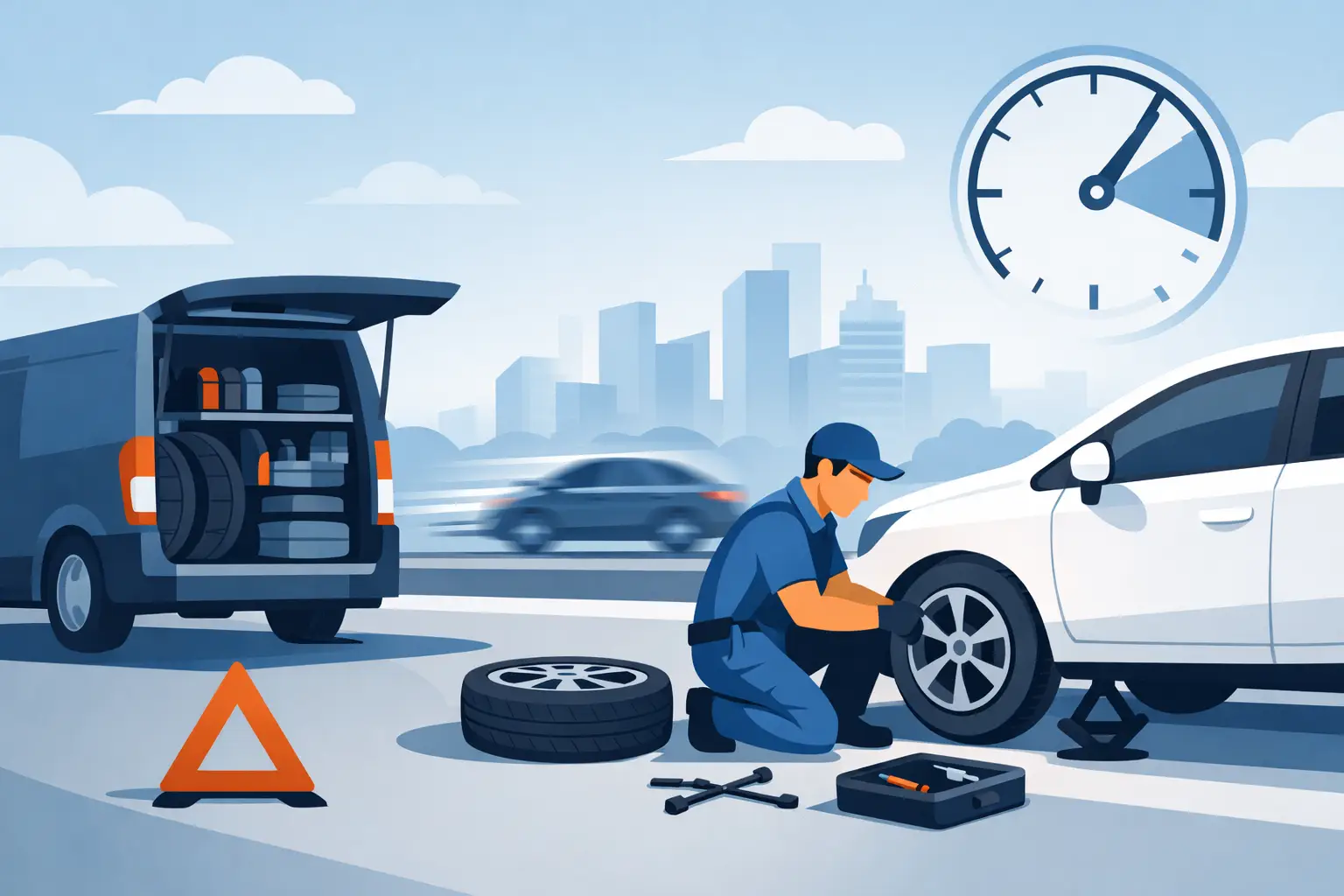
There is a point where trying to solve it yourself costs more time than it saves. If you are in a busy parking lot, stranded at night, stuck before work, traveling with kids, or dealing with bad weather, calling a roadside service is often the practical choice.
Professional battery boost service makes sense when:
- You do not have jumper cables or a jump pack
- You are not sure the battery is the problem
- The car is in an unsafe or hard-to-reach location
- The battery terminals are badly corroded
- The vehicle still will not start after a jump attempt
- You need help fast and do not want to risk vehicle damage
A trained roadside technician can usually tell quickly whether the problem is just a drained battery or something more serious. If the vehicle starts, great. If it does not, you are already one step closer to the right solution instead of guessing in a parking lot.
For drivers across Hollywood, Weston, Miramar, Pembroke Pines, and Fort Lauderdale, that fast response can make a big difference. Waiting on a random favor from a stranger or trying to flag someone down is not always realistic, especially late at night or on a dangerous roadside shoulder.
How Long a Battery Boost Lasts
A successful jump start does not mean the problem is over. It depends on why the battery died in the first place. If the battery was drained by leaving lights on, driving for 20 to 30 minutes may help restore enough charge to restart later. If the battery is old, weak, or internally damaged, the boost may only last until you turn the engine off.
That is why it helps to pay attention after the car starts. If dashboard warning lights stay on, headlights seem unusually dim, or the engine struggles again at the next stop, the battery or charging system likely needs service. In that case, relying on repeated jump starts is a temporary fix, not a real one.
South Florida drivers often face battery trouble earlier than expected because heat shortens battery life. Even a battery that looks fine from the outside can fail under load. If yours is several years old, there is a good chance the boost is buying you time, not solving the issue.
How to Avoid Another Dead Battery
Once you get moving again, a few habits can reduce the odds of getting stranded again soon. Check that no interior lights are left on after parking. If the car sits for long periods, start and drive it regularly. Keep battery terminals clean and watch for corrosion buildup. If the battery is nearing the end of its expected life, replace it before it leaves you stuck.
It also helps to carry basic emergency gear. Jumper cables are useful, but only if you know how to use them and have another vehicle available. A portable jump pack gives you more independence, though it needs to stay charged. For many drivers, especially commuters and families, having a reliable roadside contact matters more than carrying every tool yourself.
The Fastest Way to Get Battery Boost in South Florida
When your battery dies, the best answer is usually the one that gets you safely back on the road with the least hassle. If you are at home with the right tools and confidence, a careful jump start may do the job. If you are stuck in traffic, parked somewhere unsafe, or unsure what failed, calling a local roadside team is the smarter move.
ITow&Recovery helps South Florida drivers with battery boosts, jump starts, towing, and other roadside emergencies when time matters. A dead battery can interrupt your whole day, but it does not have to turn into a bigger problem. The right help, at the right time, is often what gets you moving again with less stress and fewer mistakes.
If your vehicle will not start, trust what the situation is telling you. Quick action helps, but safe action helps more.