
A car that will not start rarely fails at a convenient time. It happens in apartment lots, office garages, gas stations, school pickup lines, and on the shoulder when traffic is moving fast. When you need towing for non running cars, the real priority is simple – get the vehicle moved safely, get help quickly, and avoid turning a breakdown into more damage.
Not every disabled vehicle needs the same kind of tow. A car with a dead battery is different from a car with transmission failure. A vehicle that was in a collision needs different handling than one that has been sitting for months and will not crank. That is why the towing method matters just as much as response time.
When towing for non running cars is the safest choice
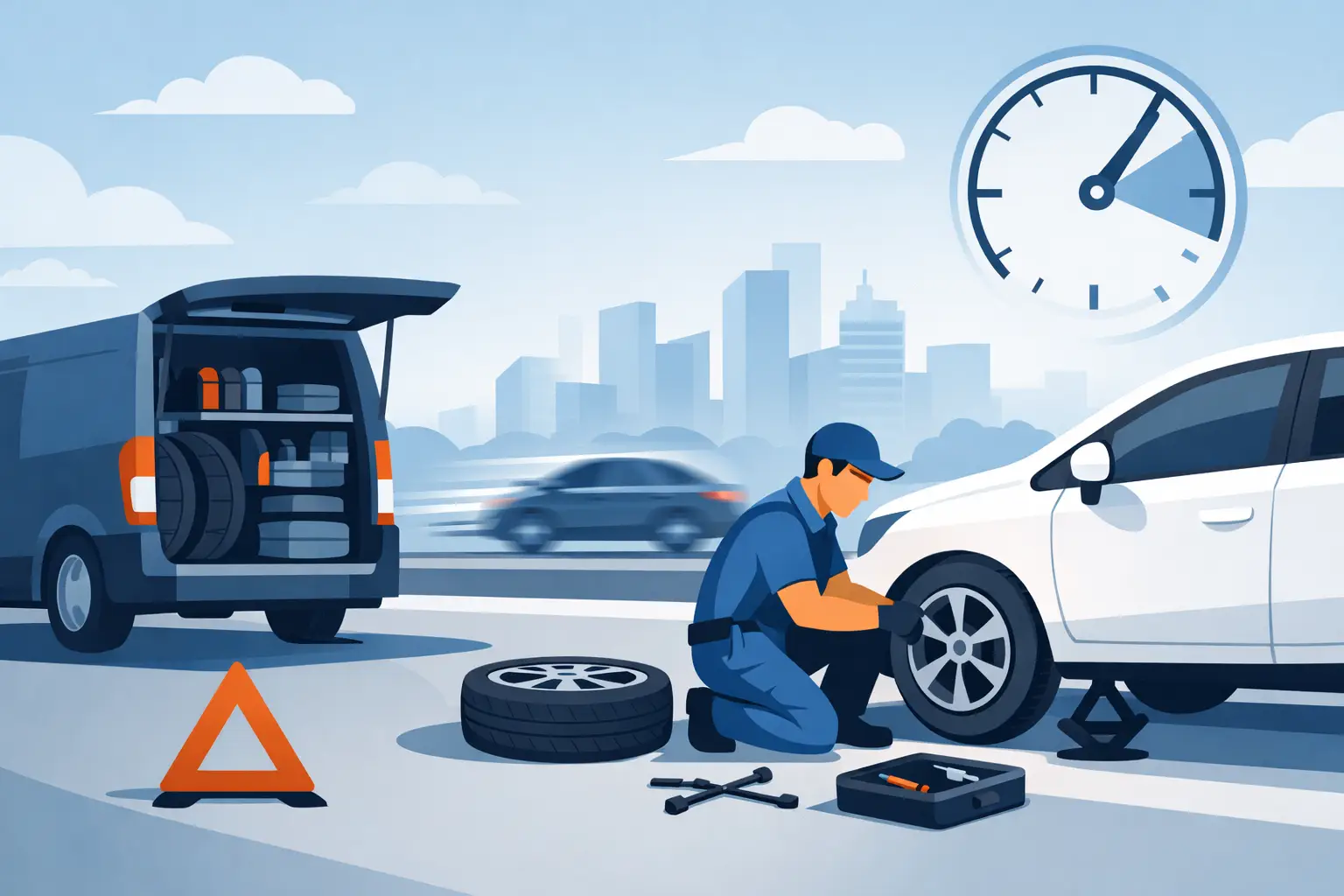
A lot of drivers hope the problem is minor and can be fixed on the spot. Sometimes that works. A jump start, fuel delivery, or tire change can get you moving again without a tow. But when the car still will not run, forcing it to move under its own power is not worth the risk.
If the engine will not start, the transmission is failing, the steering is locked, the brakes are compromised, or the vehicle has fresh accident damage, towing is usually the right move. The same goes for cars that overheat repeatedly, leak fluids, or make it unsafe to stay on the road. In these situations, trying to improvise with a chain, a friend’s truck, or repeated restart attempts often makes the problem worse.
For South Florida drivers, heat and traffic add pressure. A disabled vehicle in Miramar, Pembroke Pines, Fort Lauderdale, Weston, or Hollywood can become a bigger problem quickly, especially in heavy rain, on crowded roads, or in parking areas where you cannot leave the car for long.
The right tow depends on why the car will not run
There is no one-size-fits-all answer for non-running vehicles. The best towing setup depends on the vehicle’s condition, location, and what failed.
Dead battery or electrical failure
If the issue is only a dead battery, a jump start may solve it. But if the battery is completely gone, the alternator failed, or there is an electrical problem keeping the car from staying on, towing is the safer call. A no-start condition caused by electrical failure can leave you stranded again a few miles later.
Engine failure
If the engine seized, overheated badly, or shut down with internal damage, the vehicle should not be driven. Even if it starts briefly, moving it can cause more damage or leave you stuck in a worse location.
Transmission problems
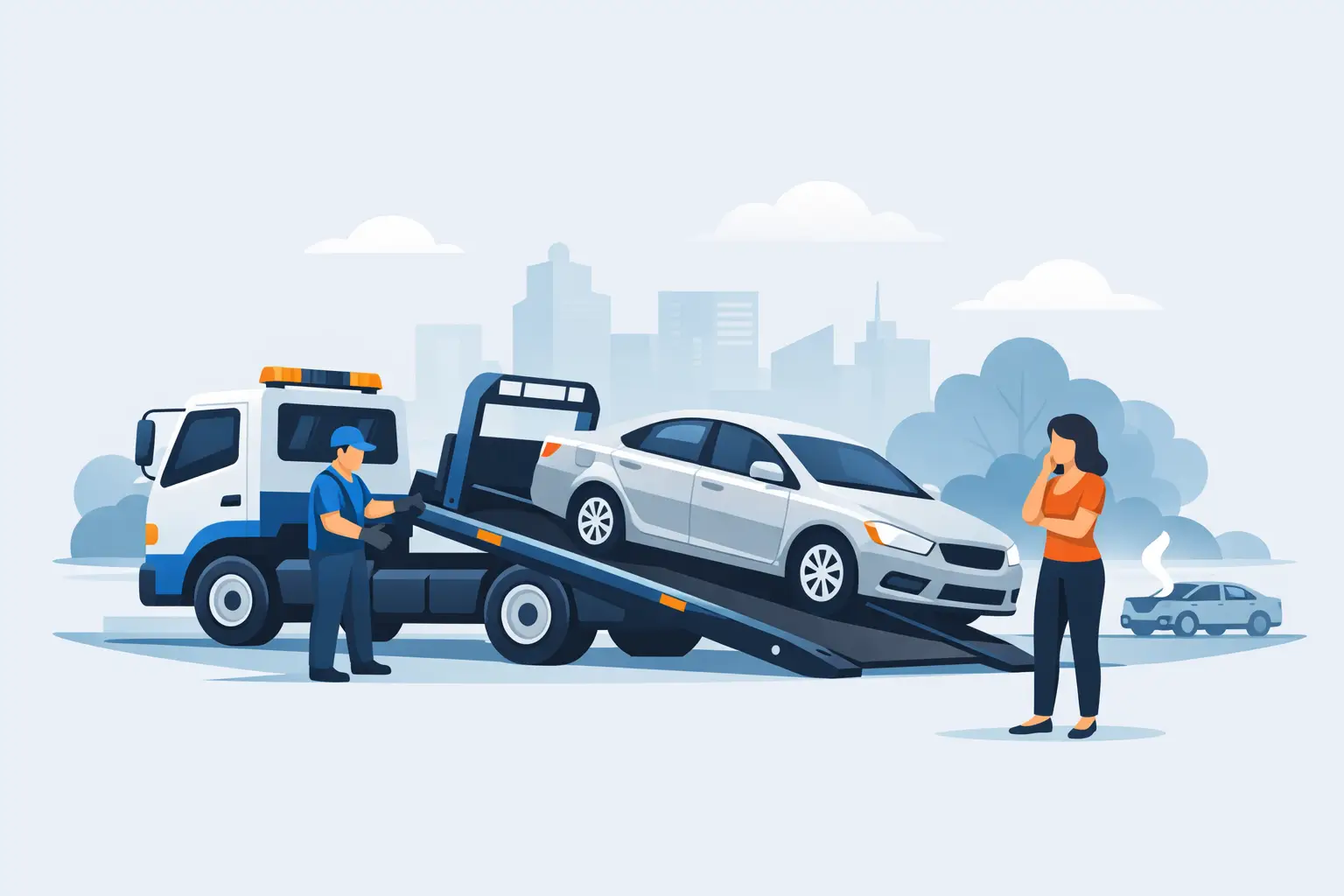
This is where many drivers make expensive mistakes. Some vehicles cannot be pulled with two wheels on the ground without risking transmission damage. That is why professional towing for non running cars often means a flatbed or the correct wheel-lift setup based on the vehicle type.
Collision damage
After an accident, a car may look drivable but still have hidden steering, suspension, axle, or frame damage. If it will not start after impact, or if the wheels do not track straight, do not force it. Proper recovery and transport protect the vehicle and keep the scene safer.
Long-stored or abandoned vehicles
Cars that have been sitting for months often have locked brakes, flat tires, or missing components. These jobs take more than a quick hook-up. They may need careful loading, winching, or special positioning to avoid dragging and scraping the vehicle.
Why professional towing beats a DIY tow
Drivers sometimes consider using a strap or borrowed dolly to save time or money. That can work in very limited situations, but most roadside no-start situations are not those situations. Modern vehicles are heavier, lower to the ground, and more sensitive to improper towing than many people realize.
A professional tow reduces the risk of bumper damage, undercarriage scraping, wheel damage, and transmission problems. It also matters for safety. Loading a dead vehicle in traffic, in the dark, or in a rainstorm is not a casual job. You want the right equipment, the right angles, and a trained operator who can secure the vehicle without guesswork.
For commercial drivers and fleet operators, the stakes are even higher. A rushed tow can create downtime that lasts longer than the original breakdown. Getting the vehicle moved correctly the first time helps keep operations on track.
What to expect during towing for non running cars
The process should feel straightforward, even when the situation is stressful. First comes the location, vehicle type, and condition. A dispatcher typically needs to know whether the car is in a driveway, parking garage, roadside shoulder, accident scene, or soft ground. They may also ask if the wheels roll freely, whether the keys are available, and where the vehicle needs to go.
From there, the right truck is sent based on the job. Some non-running cars can be handled with a standard tow setup. Others need a flatbed, winch-out, recovery equipment, or extra care because of low clearance or accident damage.
When the driver arrives, the focus is safety first. The vehicle is assessed before loading. If the car will not shift into neutral, has broken suspension parts, or is blocked into a tight space, the loading method may be adjusted. That is normal. Good towing is not rushed towing. It is controlled, careful, and done to prevent added damage.
Local conditions matter in South Florida
South Florida towing is not just about distance. It is about speed, access, and knowing the area. A breakdown on a busy Fort Lauderdale road is different from a no-start in a Weston neighborhood or a disabled car in a Hollywood shopping center lot. Traffic patterns, gated communities, condo access, flood-prone spots, and tight parking layouts all affect how quickly a vehicle can be reached and loaded.
That local familiarity matters when time is tight. A provider that regularly works across Miramar, Pembroke Pines, Hollywood, Weston, and nearby Broward County areas can usually respond with fewer delays and fewer surprises. If the vehicle is stuck in mud, trapped in a garage entrance, or left in an area with towing restrictions, experience saves time.
Cost depends on the situation, not just the miles
Drivers often ask for a towing price as if every no-start vehicle is the same. It is understandable, but the total depends on more than distance. The vehicle type, condition, location, time of day, and equipment required all play a part.
A simple pickup from a residential driveway is usually different from recovering a disabled SUV from a busy roadside shoulder. A sedan with free-rolling wheels is different from a work van with locked brakes. After-hours calls, accident scenes, and long-distance transport can also affect the rate.
The key is transparency. A reliable towing company should explain the service clearly, tell you what type of tow is needed, and avoid turning the job into a guessing game once the truck arrives.
How to make the tow faster and smoother
If you are waiting on a tow, a few details can help move things along. Share the exact address or nearest cross streets, your vehicle make and model, and whether the car is stuck, damaged, or simply will not start. If you are in a parking garage, gated lot, or apartment complex, mention height restrictions and access codes early.
If it is safe to do so, remove valuables, keep your phone nearby, and stay with the vehicle unless conditions are dangerous. Turn on hazard lights if they still work. If you are on the roadside, stay clear of traffic and wait in a safer spot. Your safety comes first.
Choosing a towing company for non-running vehicles
When your car is disabled, you do not need a long sales pitch. You need a company that answers, dispatches fast, shows up prepared, and handles the vehicle with care. That means 24/7 availability, local coverage, the right equipment, and a team that understands both emergency calls and planned vehicle moves.
ITow&Recovery handles towing for non running cars across South Florida with the urgency these situations demand. Whether the problem is a breakdown, accident damage, engine failure, or a vehicle that has been sitting too long to move on its own, the goal is the same – get it loaded safely, transported professionally, and take one more problem off your plate.
If your car will not start, do not waste time forcing it or risking more damage. The right tow can turn a bad moment into a manageable one, and fast local help makes all the difference.