
A disabled work vehicle can turn one missed stop into a full day of lost revenue. Whether it is a delivery van stalled near Fort Lauderdale, a service truck with a dead battery in Weston, or a fleet vehicle involved in a collision in Miramar, the next move matters. This guide to commercial towing explains what fleet operators and business drivers should expect when a vehicle cannot stay on the road.
Commercial towing is not just moving a vehicle from Point A to Point B. It is about protecting your driver, vehicle, equipment, schedule, and customer commitments while getting the right help to the right location fast.
What Commercial Towing Covers
Commercial towing supports vehicles used for work, including company cars, cargo vans, pickup trucks, box trucks, delivery vehicles, service trucks, and small fleet units. The right towing method depends on the vehicle’s size, condition, cargo, and where it is stopped.
A vehicle with a flat tire on a safe parking lot may only need roadside tire service. A van with transmission trouble may need a flatbed tow to a repair facility. After an accident, the situation can require careful accident towing, vehicle recovery, and transport away from traffic or an unsafe shoulder.
For South Florida businesses, response time is often the deciding factor. Traffic on I-95, the Florida Turnpike, and busy local corridors can turn a simple breakdown into a safety issue quickly. A commercial towing provider should be ready to dispatch 24/7, communicate clearly, and send equipment suited to the vehicle.
Guide to Commercial Towing: First Steps at the Breakdown
Your driver should not try to diagnose a serious mechanical issue beside fast-moving traffic. The immediate goal is to get out of danger, make the vehicle easy to locate, and provide the towing dispatcher with accurate details.
If the vehicle can move safely, pull into a parking lot, service road, or other secure location. Turn on hazard lights and keep occupants away from traffic. If the vehicle cannot move, the driver should remain in the safest available position while following any instructions from law enforcement or roadside authorities.
When requesting commercial towing, have the vehicle’s exact location, make and model, unit number, issue, and destination ready. Mention whether it is loaded, whether there is visible damage, and whether it is parked in a garage, narrow driveway, construction area, or soft ground. Those details help the dispatcher send the right truck instead of losing time with an avoidable equipment mismatch.
Do not forget access concerns. A towing operator may need gate codes, a contact at the destination, keys, or authorization to release the vehicle. For a fleet manager who is not on site, this preparation can save a significant amount of time.
Choosing the Right Tow for Your Vehicle
Not every commercial vehicle should be towed the same way. Choosing the wrong method can create additional damage, especially when the drivetrain, suspension, wheels, or steering are affected.
Flatbed Towing for Added Protection
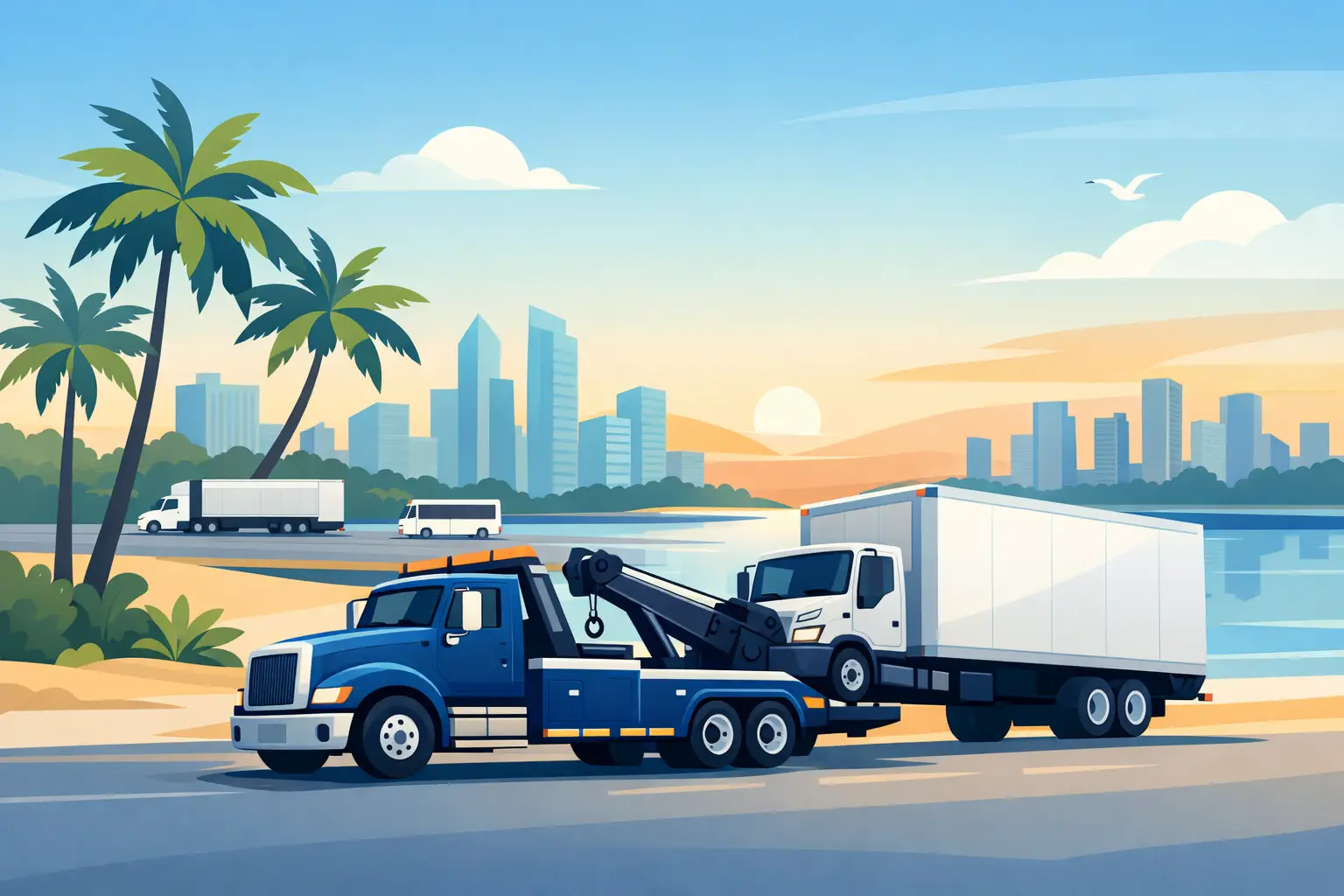
Flatbed towing places the entire vehicle on the truck. It is often the preferred option for damaged vehicles, vehicles with drivetrain problems, low-clearance units, and longer-distance transport. Keeping all four wheels off the road reduces wear during transport and provides better stability.
For many company cars, pickup trucks, cargo vans, and light-duty work vehicles, a flatbed is the safest choice when the vehicle cannot be driven. It can also be the better option after an accident, even when the damage appears minor.
Wheel-Lift Towing for Certain Situations
Wheel-lift towing raises either the front or rear wheels while the remaining wheels stay on the road. This can be an efficient solution for some vehicles, short-distance moves, and tight-access locations. It is not appropriate for every vehicle configuration or mechanical failure.
The tow operator should assess the vehicle before loading it. A provider that asks about vehicle type and condition before dispatch is helping prevent surprises at the scene.
Recovery and Winch-Out Service
A vehicle that slides into a ditch, gets stuck in mud, becomes trapped in a parking barrier, or leaves the roadway may need recovery before it can be towed. Winch-out service requires careful positioning and controlled pulling to avoid causing further damage.
South Florida weather adds another layer of risk. Heavy rain can leave grass shoulders, job sites, and unpaved lots soft enough to trap a loaded work vehicle. Calling early is usually safer and less expensive than repeatedly trying to drive out.
Reducing Fleet Downtime Before It Happens
Breakdowns cannot be eliminated completely, but fleet downtime can be reduced with a simple response plan. Every business with multiple drivers should know who to call, where vehicles should be taken for repairs, and who can approve towing after hours.
Keep a current record of vehicle information, insurance details, preferred repair shops, and driver contacts. Drivers should also know how to share their location accurately. “Near Hollywood” is not enough for urgent dispatch. A cross street, landmark, exit number, or live location description gets help moving faster.
Preventive maintenance also plays a major role. Tires, batteries, belts, brakes, cooling systems, and fluid levels deserve regular attention, especially on vehicles making frequent stops in South Florida heat. A truck that starts slowly, overheats, pulls to one side, or shows warning lights should be checked before it fails during a delivery run.
It also helps to set a clear rule: drivers should stop operating a vehicle when continued driving could make the problem worse. Driving on a damaged tire, overheating engine, or malfunctioning transmission can turn a repairable issue into a costly replacement.
What Affects Commercial Towing Cost?
Commercial towing pricing depends on the vehicle, distance, condition, time of day, and recovery needs. A straightforward local tow for a light-duty work van will be different from an accident recovery, a long-distance transport, or a vehicle stuck off-road.
The best approach is to provide complete details upfront and ask for a clear quote. Be cautious with vague pricing that does not explain potential charges for recovery, waiting time, extra labor, storage, or difficult access. Affordable service should still include professional handling and clear communication.
For recurring fleet needs, consistency matters as much as the initial price. A reliable local provider knows the roads, traffic patterns, service areas, and common access challenges across Pembroke Pines, Miramar, Hollywood, Weston, and Fort Lauderdale. That local knowledge can make a real difference when a driver is stranded during a busy shift.
When Roadside Assistance Can Keep You Moving
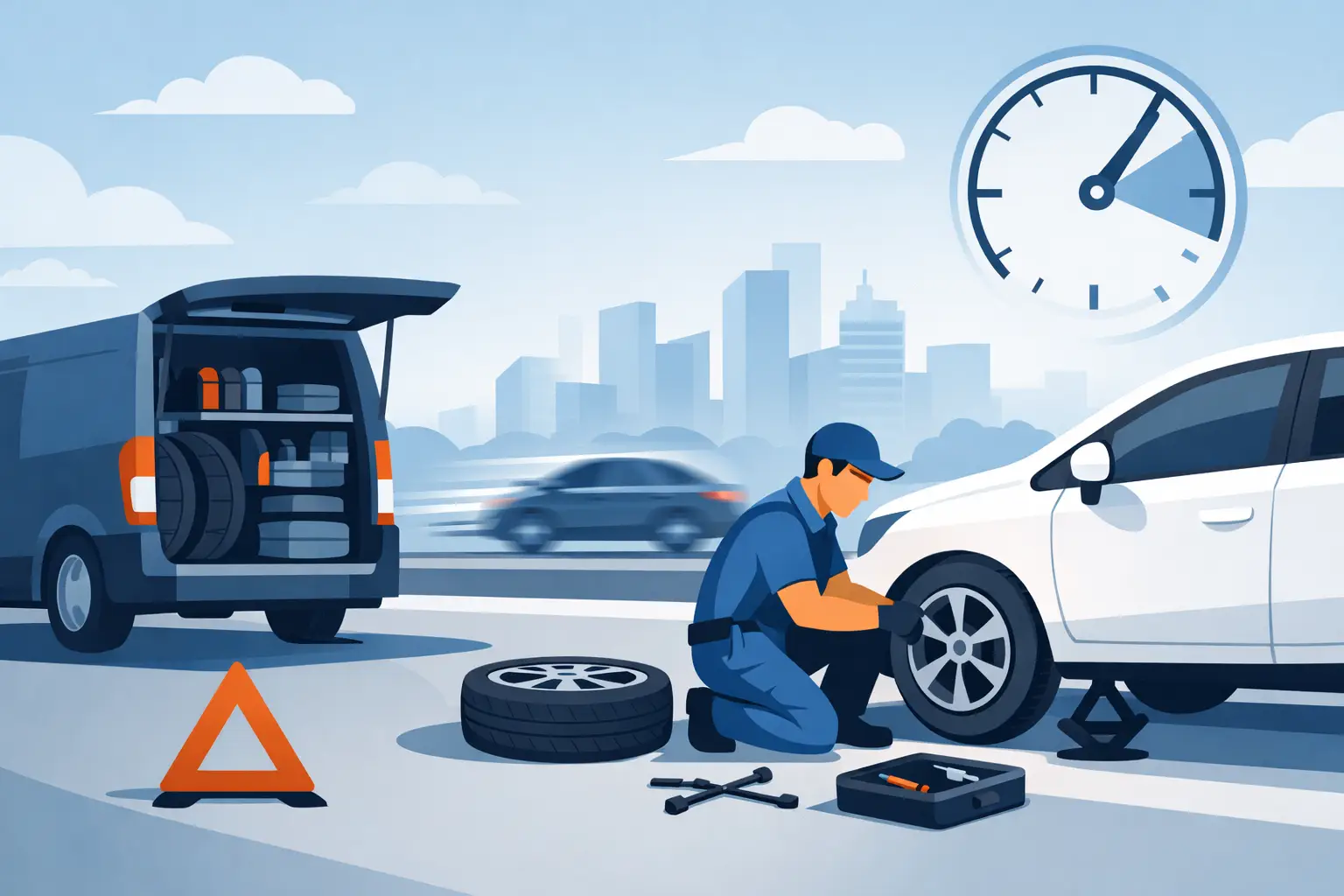
A tow is not always necessary. Commercial roadside assistance may get the vehicle back in service faster when the issue is a dead battery, flat tire, empty fuel tank, or lockout. A jump start can be helpful, but repeated battery trouble should be investigated rather than treated as a one-time inconvenience.
Likewise, fuel delivery can save a route when a driver runs low, but it is not a fix for a fuel system issue. If a vehicle cranks but will not start, loses power, leaks fluids, overheats, or shows major warning lights, towing it to a qualified repair location is usually the smarter call.
ITow&Recovery provides 24/7 commercial towing and roadside support for business drivers and fleet operators across Broward County and surrounding South Florida communities. The goal is simple: get your vehicle handled safely, give you a clear next step, and limit the time your business loses to an unexpected stop.
When a commercial vehicle goes down, do not wait for the problem to get worse or put a driver at risk trying to force it back on the road. Get the vehicle to a safe location, share accurate details, and request the right level of towing or roadside help so your team can focus on getting back to work.