
A disabled fleet vehicle is more than a roadside problem. It can mean missed deliveries, a late technician, an idle driver, and a customer waiting for an answer. The best fleet recovery providers respond with the right equipment, clear communication, and a plan to get your vehicle moved without creating a bigger disruption.
For South Florida businesses, recovery service needs to work around real operating conditions: heavy traffic, sudden storms, tight delivery windows, crowded loading areas, and vehicles running at all hours. Whether you operate a few work trucks or a growing commercial fleet, choosing the right towing and recovery partner protects your schedule and your bottom line.
What the Best Fleet Recovery Providers Do Differently
A fleet recovery provider should do more than send a tow truck when a vehicle stops moving. The provider needs to understand that every minute on the shoulder, in a parking lot, or at an accident scene affects your operation. Fast dispatch matters, but so does sending the correct truck and trained operator for the vehicle and situation.
Reliable providers are available 24/7 because fleet trouble rarely happens on a convenient schedule. A delivery van may have a dead battery before sunrise. A service truck may need a tire change between appointments. A collision can happen on a busy Broward County route during the evening rush. Your towing partner should be ready to take the call, confirm the location, and move quickly.
The best service also includes direct, practical updates. Your driver or dispatcher should know who is coming, what equipment is being sent, and where the vehicle is being transported. That level of communication helps you make the next decision instead of chasing information while your team waits.
Fleet Recovery Services Your Business May Need
Fleet recovery covers a wider range of issues than accident towing alone. The right provider can handle routine roadside problems before they turn into a full lost day, as well as difficult recoveries that require careful vehicle handling.
Common fleet support includes:
- Commercial towing for vans, pickups, light-duty work trucks, and other eligible fleet vehicles
- Accident towing and safe transport after a collision
- Winch-out and recovery when a vehicle is stuck in mud, a ditch, a soft shoulder, or another unsafe position
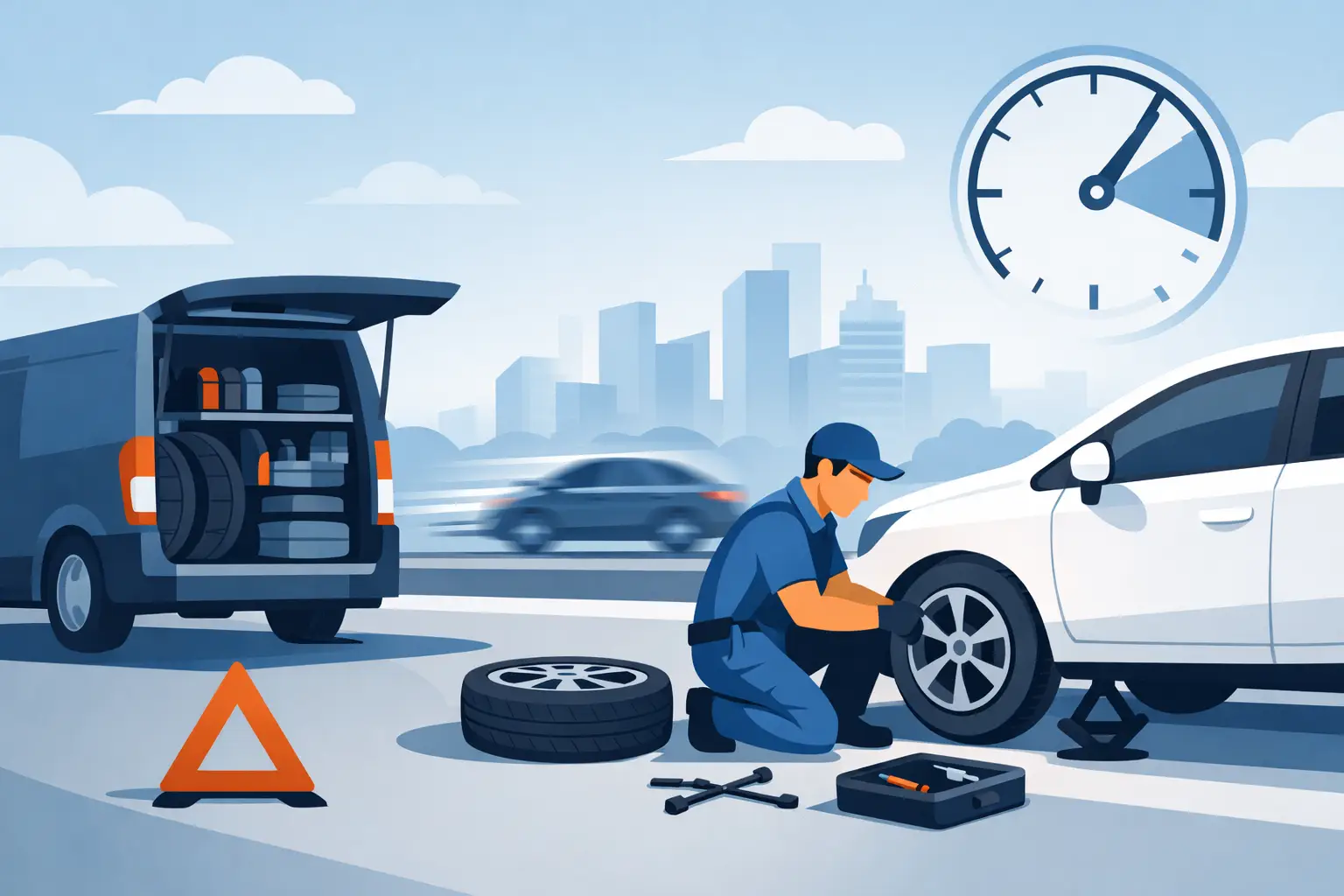
- Jump starts, tire changes, fuel delivery, and lockout service for roadside downtime
- Local and long-distance transport to a repair shop, dealership, company yard, or another approved destination
- Removal of unwanted fleet vehicles, junk cars, and retired trucks when it is time to clear space
Not every fleet has the same needs. A plumbing company may prioritize quick help for service vans across Pembroke Pines and Weston. A delivery operation may need dependable coverage near Fort Lauderdale and Hollywood. Construction crews may need recovery support when a truck gets stuck off pavement. Ask providers what vehicles they can safely handle and what recovery situations they are equipped to manage before an emergency occurs.
Speed Matters, But Dispatch Accuracy Matters Too
When a driver calls from the side of I-95, Florida’s Turnpike, or a congested local road, everyone wants a quick arrival. However, speed without accurate dispatch can waste more time. Sending equipment that is too small, failing to account for a blocked wheel, or misunderstanding the vehicle’s location can delay the recovery.
A capable fleet towing company will ask useful questions right away. They may confirm the vehicle type, whether it is loaded, the nature of the breakdown, the condition of the tires, the nearest cross street, and whether the vehicle is in a dangerous location. These questions are not a delay. They help the provider send the appropriate truck and prepare the operator to work safely.
For fleet managers, it helps to create a simple calling procedure for drivers. Have them provide the unit number, vehicle make and model, exact location, problem description, destination, and a callback number. Clear details on the first call can shorten the entire recovery process.
How to Evaluate a Fleet Towing Partner
Price matters to any business, but the lowest quote is not always the lowest-cost decision. A provider that arrives late, damages a vehicle during transport, or gives vague updates can cost far more than a fair towing rate. Look for transparent pricing and ask how charges are handled for distance, recovery complexity, after-hours service, and special equipment.
Local coverage should also be a deciding factor. A company familiar with Miramar, Pembroke Pines, Weston, Fort Lauderdale, and Hollywood can often navigate local traffic patterns and respond more efficiently than a distant dispatch service. Local knowledge is especially useful when a driver is stressed and can only describe a landmark, shopping center, exit, or nearby intersection.
Reputation is worth checking, especially for an ongoing commercial relationship. Look for consistent customer feedback about arrival times, professionalism, communication, and vehicle care. A provider should be straightforward about what it can handle. If a recovery requires equipment outside its capability, an honest company will say so instead of risking your vehicle.
Set Up Fleet Recovery Before the Breakdown
The best time to find a towing partner is before a vehicle is stranded. Waiting until an urgent problem happens puts your driver under pressure and leaves your dispatcher comparing options with limited information. Establishing a relationship ahead of time gives your team one less decision to make during an emergency.
Keep the provider’s contact information in every fleet vehicle and in your dispatch system. Make sure drivers know they should move to a safe location when possible, turn on hazard lights, and avoid attempting repairs in active traffic. They should also know when to call emergency services first, particularly after a collision, injury, fire, or dangerous roadway situation.
For businesses with regular routes, discuss service areas and likely transport destinations in advance. You may want vehicles taken to a preferred repair facility, a company yard, or a dealership. Having those instructions ready prevents confusion when a driver is dealing with a dead battery, flat tire, lockout, or accident scene.
A Practical South Florida Choice for Fleet Downtime
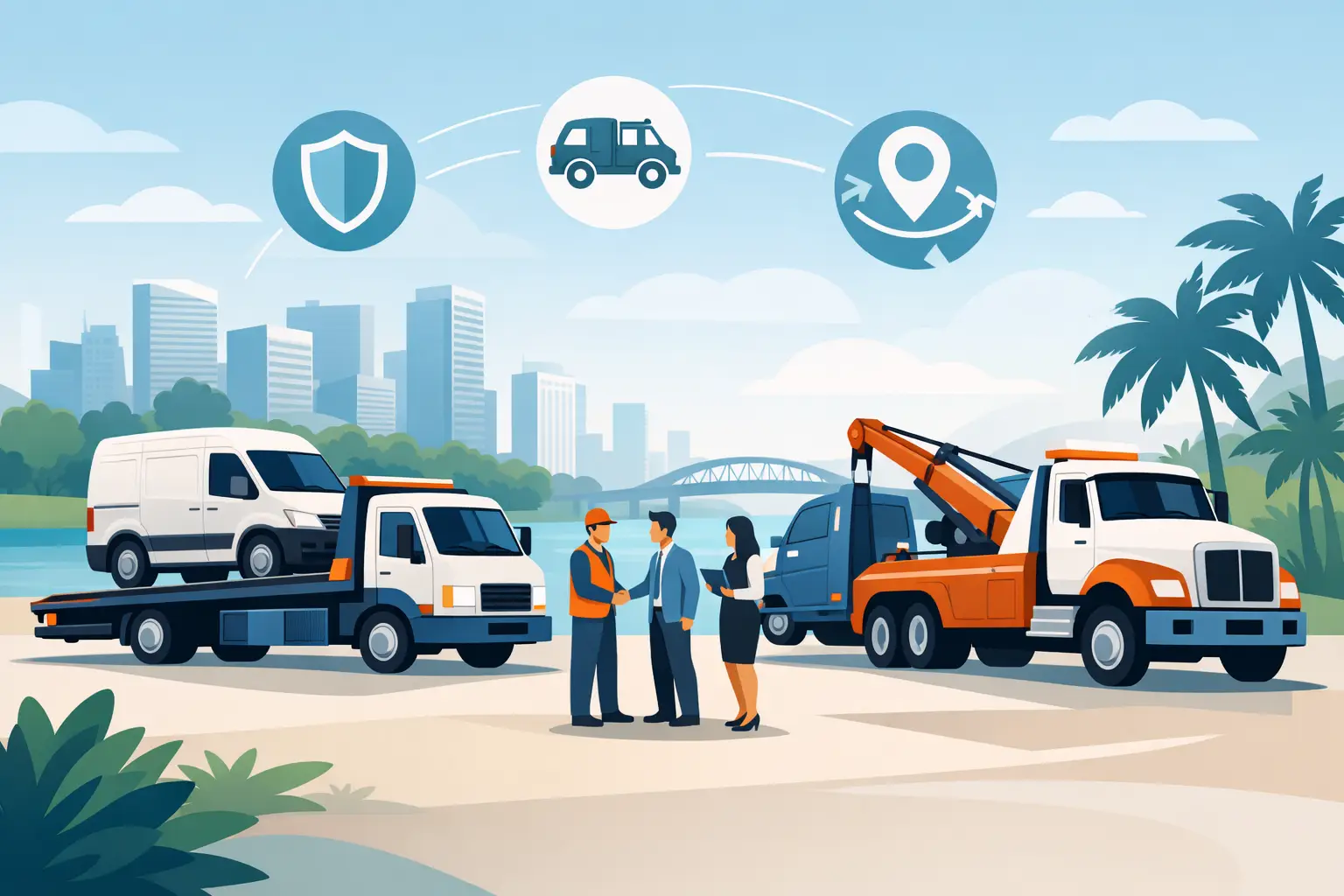
South Florida fleet operations need a provider that treats urgent calls with urgency. ITow&Recovery provides 24/7 towing, roadside assistance, winch-out service, accident towing, and fleet support across Broward County communities, including Miramar, Pembroke Pines, Fort Lauderdale, Weston, and Hollywood. The goal is simple: get a qualified operator moving quickly, handle the vehicle with professional care, and help your driver get out of a stressful situation.
A small fleet does not need a complicated recovery program. It needs a dependable number to call, honest service, and a provider that understands that your vehicles keep your business moving. Before the next breakdown interrupts a route, choose a local recovery partner your drivers can reach quickly and trust when the pressure is on.