
A vehicle can become a problem long before it becomes completely worthless. Maybe it has been sitting in a Miramar driveway with a dead battery, it failed after an accident in Fort Lauderdale, or repair costs now exceed what the car is worth. Knowing your used car removal options helps you clear the vehicle legally, avoid added storage costs, and choose the fastest path based on its condition.
The right answer depends on whether the car still runs, has a clean title, has usable parts, and needs to be gone today. A running vehicle may be worth selling. A damaged, non-running, or unsafe vehicle may be better handled by a professional towing and junk removal service.
Used Car Removal Options to Consider
There is no single best way to remove an old car. The vehicle’s value, location, paperwork, and urgency all matter. Before deciding, take a clear look at the condition of the vehicle and what it will take to move it.
Sell a running vehicle privately
If the vehicle starts, drives safely, and has a clean title, a private sale can bring in more money than scrap or junk removal. This route makes sense for cars with manageable mileage, a solid body, and no major mechanical failure.
The trade-off is time and effort. You will need to clean the vehicle, take photos, answer messages, meet potential buyers, and complete the title transfer correctly. If the car is blocking your garage, has expired registration, or cannot be driven safely, waiting for the right buyer can create more stress than it is worth.
Never hand over a vehicle without completing the required ownership paperwork. Keep records of the sale and remove your license plate according to Florida requirements. A fast cash offer may sound convenient, but protecting yourself from future tickets, tolls, or liability matters more.
Trade it in when you are replacing it
Trading in can be the easiest choice when you are already buying another vehicle. The dealer handles much of the process, and the value of your old car may reduce the amount you pay for the next one.
This option is usually best for a vehicle that still has some market value. Dealers may accept cars with cosmetic damage or minor repairs needed, but a severely damaged, inoperable, or flood-affected vehicle may receive little value or be refused altogether. Get an estimate before relying on a trade-in to solve a removal problem.
Donate a vehicle that still has usable value
Donation can work for a vehicle that runs or can be repaired without major expense. It may be a good fit if you do not want the work of a private sale and would rather support a qualifying organization.
Confirm that the organization accepts the vehicle in its current condition and ask how pickup, title transfer, and donation records will be handled. Tax benefits depend on your individual circumstances and the organization, so do not assume every donated car creates the same deduction. Keep every document related to the transfer.
Sell it for parts or scrap
A vehicle with engine trouble, transmission failure, collision damage, or extensive rust may still contain valuable parts and recyclable metal. Selling it for parts or scrap can be practical when repairs do not make financial sense.
This route can take longer than people expect. Parting out a car requires space, tools, knowledge, and time. It can also leave you with a stripped shell that still has to be removed. Scrap prices vary, and the amount offered may depend on vehicle weight, missing components, location, and whether a tow is included.
For many South Florida drivers, the simpler option is to arrange pickup for the whole vehicle rather than let an unusable car sit on the property for weeks.
Arrange professional junk car removal
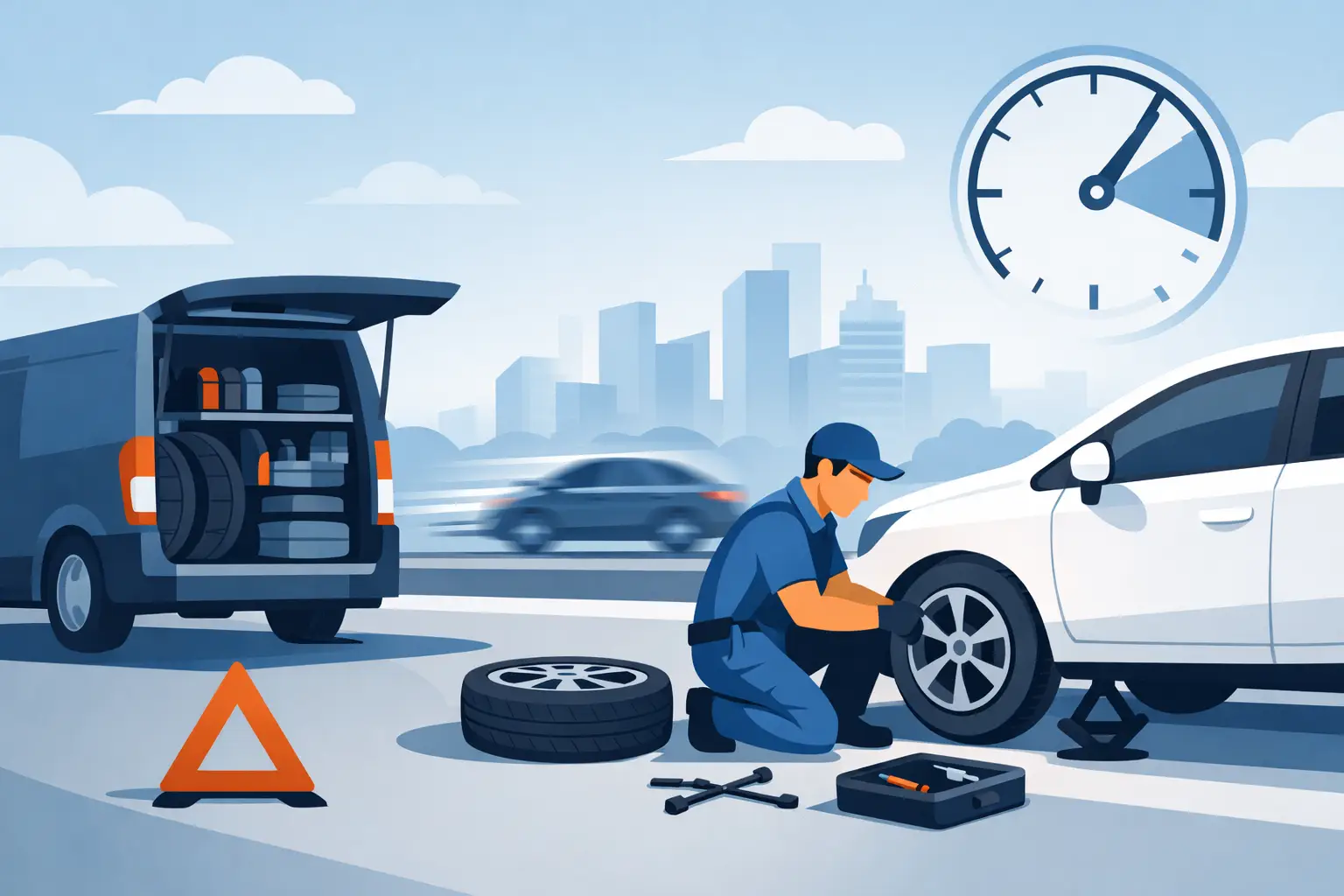
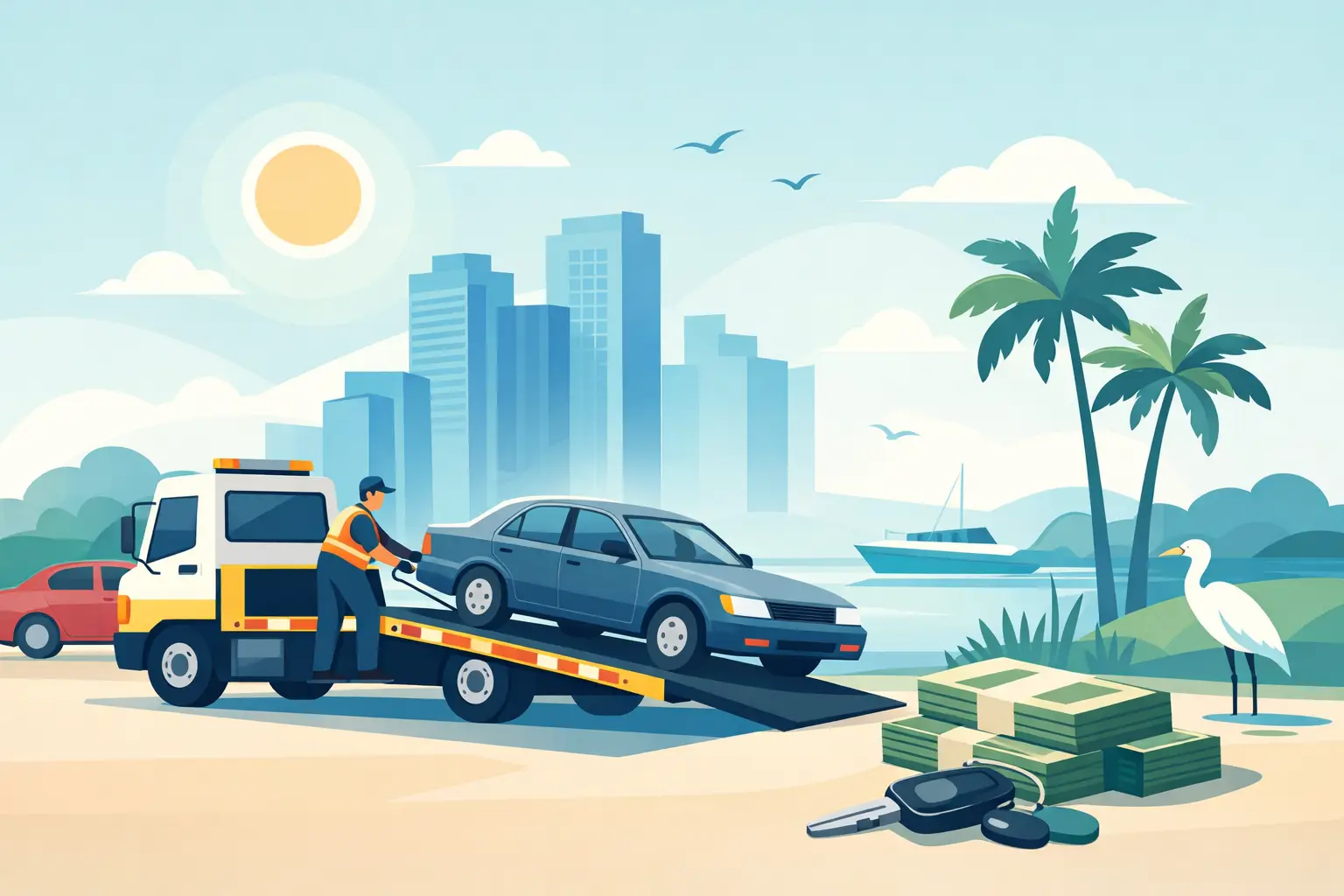
Professional removal is often the best fit for a vehicle that does not run, cannot be driven safely, has been damaged in an accident, or needs to be moved quickly. A qualified towing provider can load the vehicle and transport it without requiring you to risk driving it or finding a friend with the right equipment.
This is particularly useful after a breakdown, when a car is stuck at a repair shop, or when it is sitting in an apartment complex, office lot, or gated community. In those situations, fast dispatch and proper towing equipment matter more than spending days trying to find a private buyer.
ITow&Recovery provides towing and junk car and truck removal across Broward County, including Miramar, Pembroke Pines, Hollywood, Weston, and Fort Lauderdale. If your vehicle is blocking access, taking up valuable space, or cannot be started, a local removal team can help move it without adding another problem to your day.
What to Check Before Removing an Old Car
A quick check before pickup can prevent delays. The most important item is proof that you have the right to release the vehicle. In most cases, that means having the title available. If the title is missing, damaged, or held by a lender, address that before scheduling removal whenever possible.
Also remove personal items from the glove box, trunk, center console, under the seats, and door pockets. Check for garage remotes, insurance cards, registration papers, toll transponders, spare keys, work equipment, and mail that contains personal information. People often forget items in a vehicle that has been parked for months.
If the car is on private property, make sure the pickup location is accessible. Let the towing company know if the vehicle has flat tires, locked wheels, missing keys, severe collision damage, or is parked in a tight garage. Those details help the dispatcher send the right truck and equipment.
For vehicles at an apartment complex, storage facility, repair shop, or commercial site, verify that property management or the lot owner allows the pickup. A tow truck may need gate access or authorization, especially when the vehicle is behind a fence or in a restricted parking area.
When Immediate Removal Is the Better Choice
Some old cars can wait. Others should be moved now. Immediate removal is usually the safer call when a vehicle is leaking fluids, has been involved in a collision, is blocking a driveway, has flat tires on a busy street, or is parked where it could be towed by the property owner.
The same is true if the car has electrical issues, a dead battery that keeps returning, overheating problems, or brake and steering concerns. Trying to drive a vehicle that is no longer safe can turn a removal issue into an accident or a much larger repair bill.
Commercial drivers and fleet owners have an added concern: downtime. A disabled work truck, delivery vehicle, or company car can interrupt schedules and cost money. Prompt towing keeps the vehicle from becoming an obstacle and gets it to the right location for evaluation, repair, or disposal.
Choose the Option That Matches the Vehicle, Not the Hope
It is easy to keep an old car because you remember when it ran well or assume you will repair it someday. But storage space, HOA concerns, expired tags, towing risks, and repeated repair estimates add up quickly. If the numbers no longer make sense, removal is not giving up on the vehicle. It is making a practical decision.
For a car with real resale value, take the time to sell or trade it. For a non-running, damaged, or unwanted vehicle, arrange dependable towing and get your space back. The best removal option is the one that resolves the problem safely, legally, and without leaving you stranded with the same car next week.