
A car that will not start in a shop parking lot can throw off the whole day. A collision-damaged vehicle waiting at a body shop, a fleet van stuck at a jobsite, or a customer car that needs to move from one facility to another all create the same problem – you need dependable vehicle transport for repair shops without delays, guesswork, or added risk.
Why vehicle transport for repair shops matters
Repair shops run on timing. Bays need to turn over, techs need vehicles on site, and customers expect updates they can trust. When a car cannot be driven safely, every hour it sits in the wrong place slows down estimates, parts approvals, repairs, and final delivery.
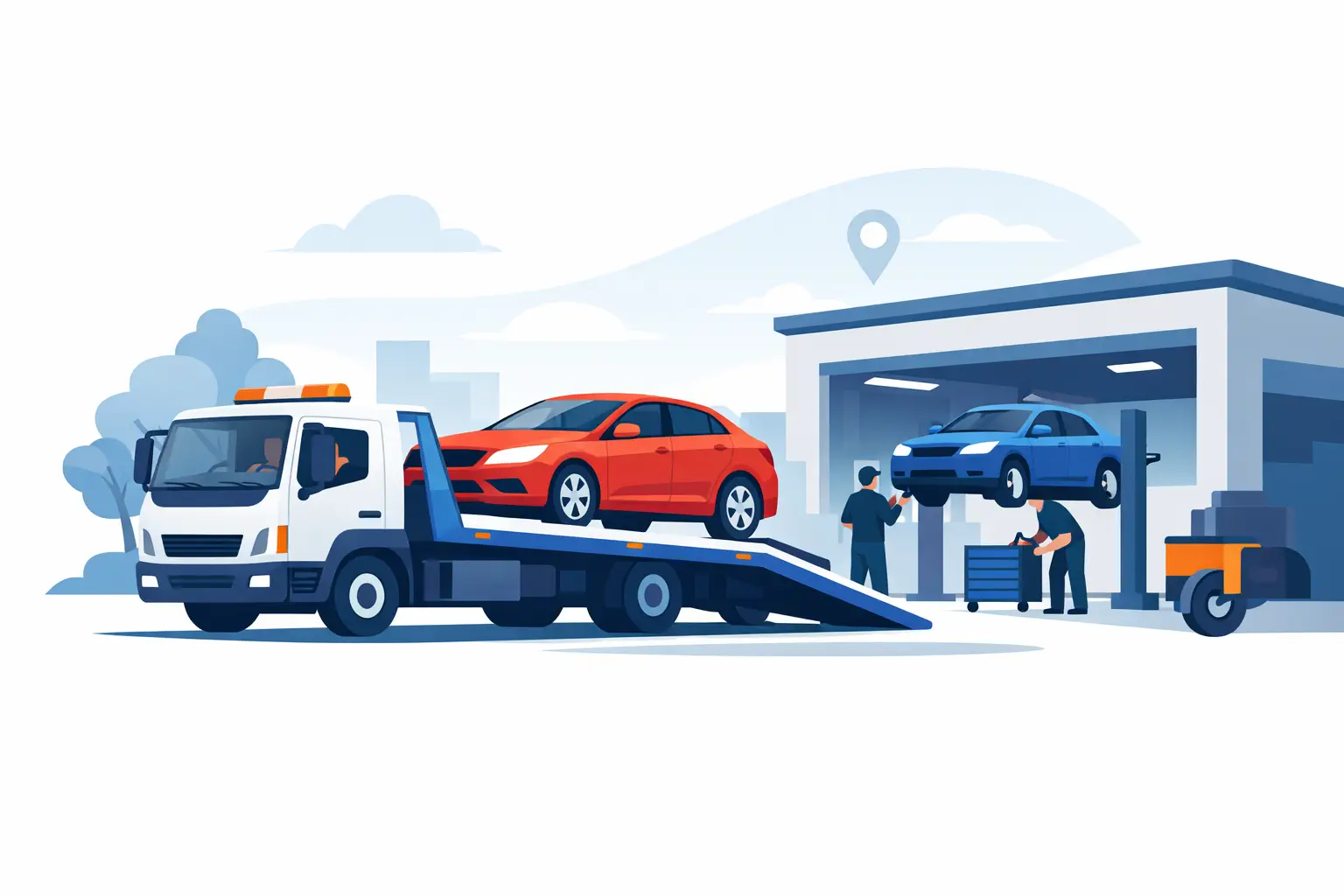
That is why vehicle transport for repair shops is not just another towing task. It is a working part of shop operations. A reliable transport partner helps move disabled, wrecked, non-running, or unsafe vehicles where they need to go, whether that is from a breakdown scene to a mechanic, from an accident site to a collision center, or from one shop to another for specialty work.
In South Florida, timing matters even more. Traffic, heat, heavy rain, and tight schedules can turn a simple transport into a costly delay if the tow is not handled quickly and correctly. Shops in Miramar, Pembroke Pines, Fort Lauderdale, Weston, and Hollywood often need more than a basic pickup. They need fast dispatch, careful handling, and a team that understands how local roads and shop workflows actually operate.
What repair shops usually need from vehicle transport
Every shop has different pressure points, but the core need is simple: get the vehicle moved safely, on time, and without creating a new problem. For some shops, that means transporting a non-starting customer vehicle from home or work to the service department. For others, it means moving an accident-damaged car that cannot roll normally or has steering or suspension damage.
There are also cases where one shop diagnoses the problem, but another facility handles the next step. A mechanic may send a vehicle to a body shop. A body shop may need to move a car to a dealer for programming or calibration. A local garage may send a truck to a specialty diesel or transmission facility. These transfers sound simple until scheduling, documentation, access, and condition issues get involved.
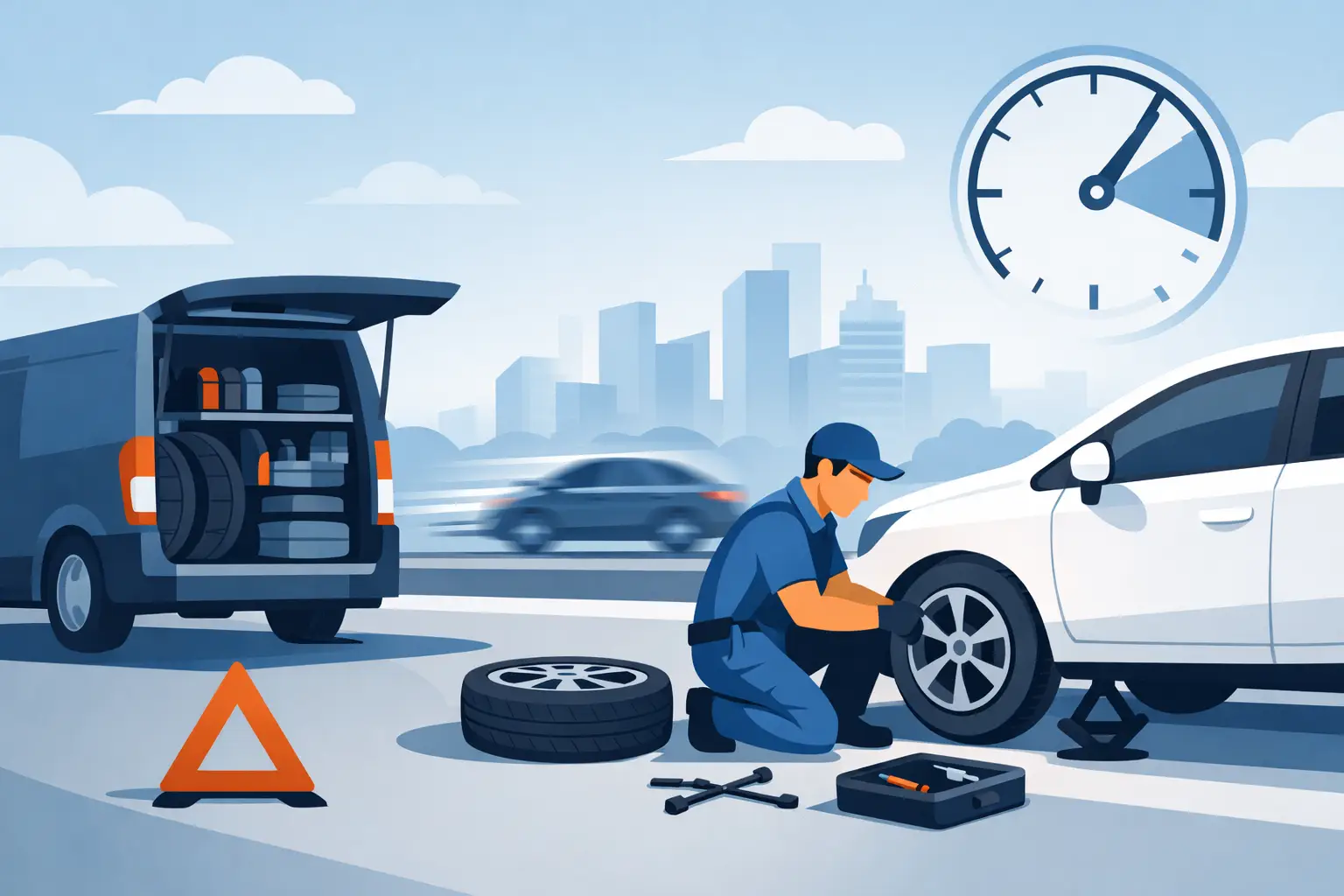
Good transport support helps reduce friction. The right towing team knows how to handle low-clearance vehicles, dead batteries, lockouts, flat tires, and accident damage without wasting the shop’s time. That matters when service advisors are managing phones, technicians are waiting on vehicles, and customers want answers now.
When towing is the better option than trying to drive
Some vehicles can technically move, but that does not mean they should. A car with engine trouble, overheating, brake issues, front-end damage, or a damaged tire can become a bigger repair bill if someone tries to force it onto the road. Shops know this, but customers often need a clear, practical answer.
That is where professional vehicle transport for repair shops becomes the safer call. It protects the vehicle from further damage and protects everyone else on the road. It also helps preserve the condition of a vehicle before inspection or insurance review, which can matter after an accident.
The trade-off is cost versus risk. Some drivers hesitate because they think towing is an extra expense. In real situations, towing is often the cheaper option compared with causing drivetrain damage, body damage, or a second roadside incident while trying to limp the vehicle over to the shop.
What a repair shop should expect from a towing partner
Speed matters, but speed alone is not enough. A repair shop needs a towing provider that can communicate clearly, show up prepared, and handle the vehicle based on its actual condition. A simple battery issue is different from collision transport. A locked vehicle with suspension damage is different from a standard local tow.
A good towing partner should be able to work with common repair shop realities. That includes after-hours drop-offs, limited parking, handoff instructions, and careful placement so the vehicle does not block bays or customer traffic. It should also include practical communication – where the vehicle is, when it is arriving, and any condition issues noticed during pickup.
For shops handling commercial accounts, reliability is even more important. A down work truck, delivery van, or fleet unit affects revenue. Fast transport helps get that vehicle into diagnosis sooner, and that can make a real difference for businesses trying to stay on schedule.
Vehicle transport for repair shops in South Florida
South Florida shops deal with a wide mix of emergencies. One call may involve a commuter car that stalled on I-75. The next may be a delivery vehicle with a blowout in Fort Lauderdale or a family SUV that was hit in Hollywood and now needs to reach a collision repair facility. That variety is exactly why local experience matters.
Vehicle transport for repair shops in this region needs to account for traffic patterns, apartment complexes, gated communities, crowded commercial lots, and weather that changes fast. Local dispatch matters because a nearby provider can often respond faster and navigate those conditions more efficiently than a service coming in from outside the area.
For repair shops in Miramar, Pembroke Pines, Weston, and surrounding Broward County communities, working with a local towing company also makes repeat service easier. The driver already understands the area, the access points, and the common pickup challenges. That saves time on every call.
Common transport situations shops face
Not every tow looks dramatic, but small transport problems can still disrupt a busy day. A vehicle may be stuck in a customer driveway and need pickup before a scheduled appointment. A car might arrive at a shop after a breakdown, then need another move because the needed repair is outside that shop’s scope. A body shop may need to relocate a vehicle that is waiting on parts just to keep space open.
Then there are true urgent situations. Accident tows, disabled fleet vehicles, cars that will not start after service, and roadside breakdowns all need immediate action. In those cases, response time matters because the issue is no longer just logistics. It is affecting safety, customer satisfaction, and the shop’s ability to keep work moving.
This is where a practical, service-first provider stands out. The goal is not to make transport complicated. The goal is to solve the problem fast, protect the vehicle, and keep the shop operating.
Choosing the right towing support for shop operations
If a repair shop needs regular transport help, consistency matters more than promises. Look for a company that handles local and long-distance towing, accident recovery, fleet moves, and non-running vehicle transport without treating every call the same. One-size-fits-all towing can lead to avoidable delays or handling mistakes.
It also helps to work with a provider that understands urgency from the customer’s side. Drivers are usually stressed when they call for a tow. Shops are under pressure too. The best towing support makes things easier for both sides by keeping communication simple and the response process direct.
A company like ITow&Recovery fits that need because the service model is built around fast dispatch, practical problem-solving, and real local coverage across South Florida. That matters when a shop needs action now, not a long callback window.
Price matters too, and every shop has to balance service quality with cost. The lowest quote is not always the best value if the truck shows up late, the driver is not equipped for the vehicle, or the handoff creates extra work for the service team. Affordable service matters, but so does getting the vehicle where it belongs without trouble.
Keep transport simple so repairs can start sooner
When a vehicle cannot make it to the bay on its own, transport is the first step in getting the problem solved. Fast, careful towing helps repair shops stay organized, keeps customers informed, and reduces the chance of added damage or lost time. Whether the vehicle is coming from a roadside breakdown, an accident scene, a home, or another facility, the right move at the right time keeps everything else on track.
If your shop, fleet, or customer vehicle needs transport in Miramar, Pembroke Pines, Weston, Hollywood, Fort Lauderdale, or nearby South Florida areas, the smartest next step is simple: get it moved safely so the repair process can begin without more delay.