
A dead battery on I-595, a flat tire near Pembroke Pines, or a collision in Fort Lauderdale can turn a normal drive into a stressful roadside emergency in seconds. Knowing how to choose emergency towing before you agree to the first offer helps protect your vehicle, your time, and your budget. The right company should give you a clear answer, a realistic arrival estimate, and the equipment needed to move your vehicle safely.
Start With Safety Before You Call
If your vehicle is operable, move it out of traffic and onto a safe shoulder, parking lot, or side street. Turn on hazard lights, keep passengers away from moving traffic, and avoid standing between your vehicle and the road. On busy South Florida highways, staying in the vehicle with seat belts on may be safer than waiting outside, as long as the vehicle is not in an immediate danger zone.
Once you are safe, take note of your exact location. Look for nearby cross streets, highway exits, landmarks, parking lot names, or mile markers. A towing dispatcher can get help moving faster when you provide more than a general city name. Saying you are near a specific exit in Weston or outside a business in Hollywood is much more useful than saying you are “somewhere on the highway.”
If there has been an accident, follow instructions from law enforcement and do not authorize a tow until you understand where the vehicle will be taken. Ask whether police have called a rotation tow service or whether you can choose your own provider. The answer can depend on the location and severity of the crash.
How to Choose Emergency Towing Under Pressure
Emergency towing is not the time to search endlessly for the lowest advertised price. A cheap quote that leaves out mileage, storage, recovery work, or after-hours charges can become expensive quickly. Instead, focus on whether the company can respond promptly, explain the price clearly, and handle your vehicle correctly.
When you call, give the dispatcher the vehicle make, model, year, condition, location, and destination. Mention whether the vehicle is blocked in, has a flat tire, will not shift into neutral, has accident damage, sits in a garage, or is stuck in mud, sand, or water. These details determine whether you need a standard tow truck, flatbed, wheel-lift, winch-out, or roadside service instead of a tow.
A dependable company should ask questions rather than guessing. That is a good sign. It means the dispatcher is trying to send the proper equipment instead of sending a truck that cannot complete the job.
Ask for a Realistic Arrival Window
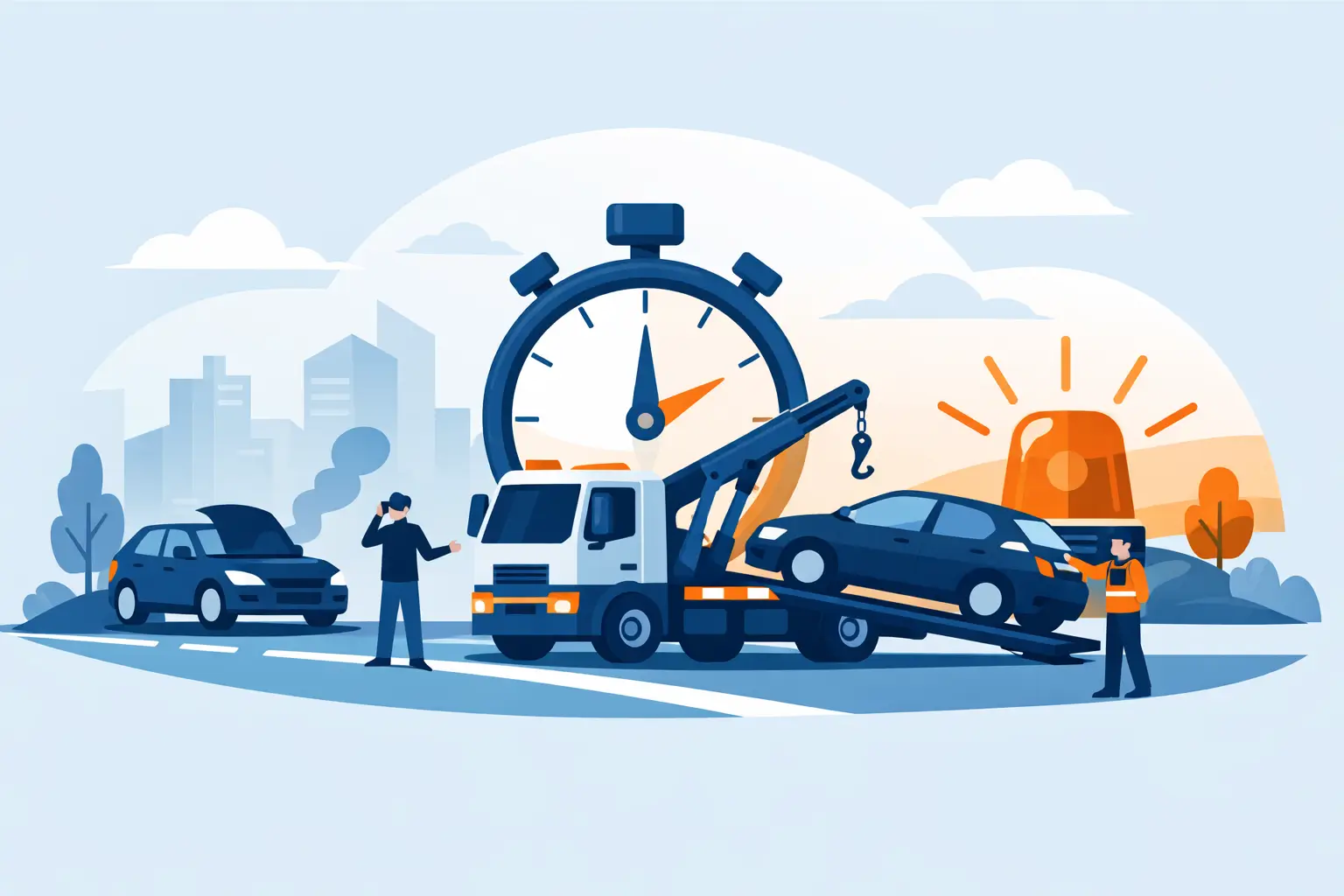
Response time matters, especially in heavy traffic, heat, storms, or late-night situations. Ask for an estimated arrival window and whether the driver will contact you when they are nearby. Be cautious with any provider that promises an unrealistically immediate arrival without asking where you are.
Traffic around Miramar, Fort Lauderdale, Hollywood, and major Broward County corridors can change quickly. A trustworthy dispatcher will be honest about delays caused by weather, road closures, accident scenes, or the distance to the nearest available truck. A realistic estimate is more valuable than a promise that is unlikely to be kept.
Get Pricing Details Before Dispatch
You deserve to know how the charge is structured before the truck arrives. Ask whether the quote includes the service call, hook-up, loaded miles, mileage to your destination, after-hours service, tolls, storage, or any recovery fees. If your vehicle is in a difficult position, ask if a winch-out or extra labor charge may apply.
Do not assume every tow is priced the same. Towing a sedan from a shopping center is different from recovering an SUV from a canal-side shoulder, moving an electric vehicle, or transporting a disabled work van. The provider may need specialized equipment, more time, or a different type of truck.
A clear quote does not always mean one fixed number. In some cases, the final price depends on conditions that cannot be seen over the phone. What matters is that the company explains those possibilities upfront instead of adding unexplained fees at the end.
Match the Tow Service to Your Vehicle and Situation
The safest towing method depends on your vehicle, its condition, and where it needs to go. Flatbed towing is often the preferred choice for all-wheel-drive vehicles, luxury cars, lowered vehicles, electric vehicles, cars with significant accident damage, and vehicles that cannot be safely rolled. Keeping all four wheels off the pavement reduces the risk of drivetrain or body damage during transport.
A wheel-lift tow may be appropriate for many standard vehicles when conditions allow. It can be efficient for local towing, but the operator still needs to confirm the vehicle can be moved that way safely. Tell the dispatcher if the car has an all-wheel-drive system, locked wheels, a broken axle, severe front-end or rear-end damage, or specialty modifications.
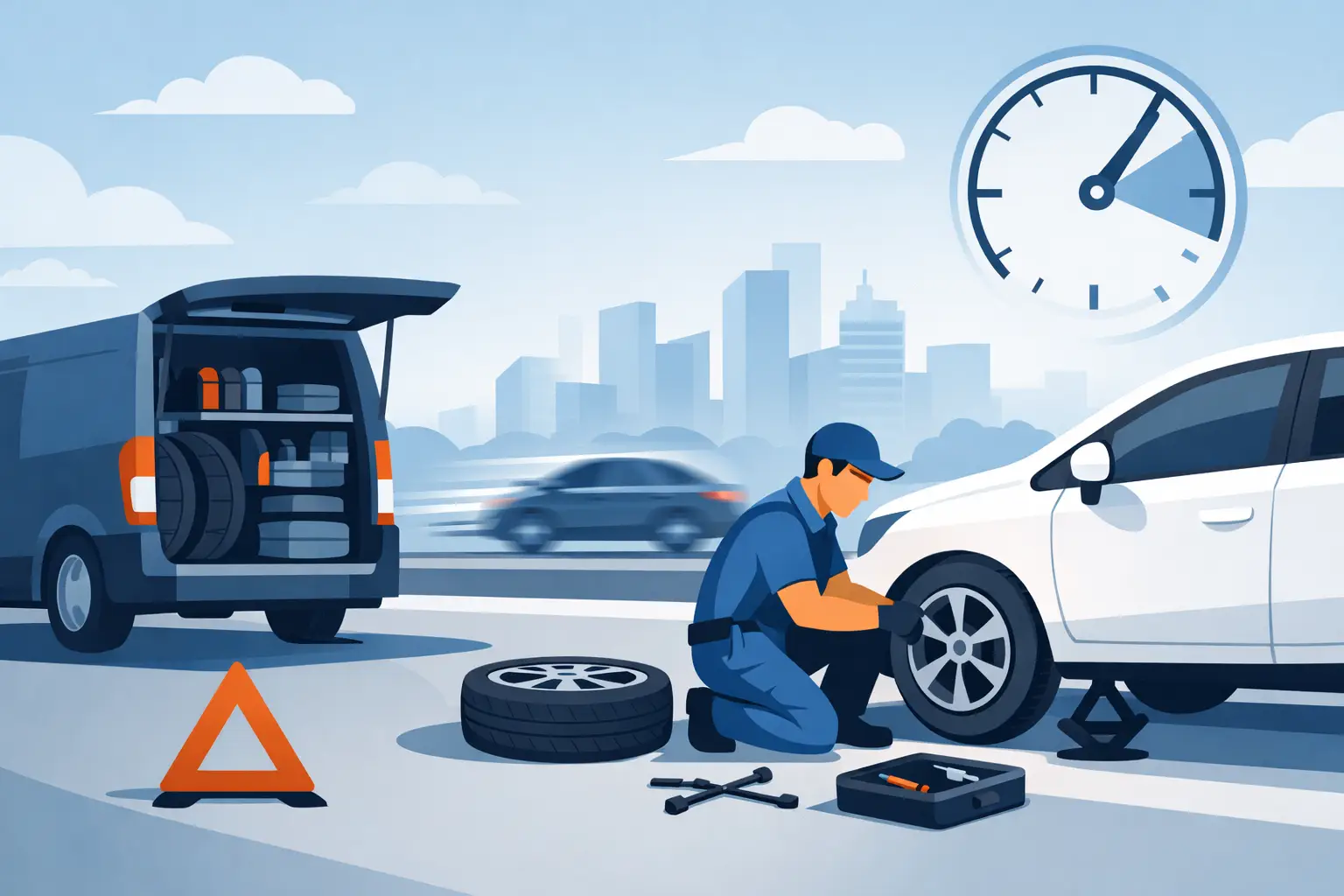
Not every emergency needs a tow. A jump start, tire change, fuel delivery, or lockout service can get you back on the road faster and at a lower cost when the vehicle is otherwise safe to drive. If the engine is overheating, warning lights are flashing, fluids are leaking, steering feels unsafe, or the vehicle was in a collision, towing is usually the smarter choice.
Check for Professional Signals, Not Just a Low Price
When you are stranded, a local company with actual service coverage in your area can be more useful than a generic listing with no clear dispatch presence. Look for signs that the provider regularly works in Broward County and understands the roads, common traffic patterns, apartment complexes, shopping centers, and major highway routes.
Professional towing companies communicate clearly. They identify the company, confirm your location and vehicle, provide an ETA, and explain what will happen next. The driver should arrive in an identifiable service vehicle, verify your destination, inspect the vehicle before loading it, and secure it properly.
Reviews can help, but read them with purpose. Look for comments about timely arrival, fair pricing, careful vehicle handling, helpful dispatchers, and professional drivers. One unhappy review does not tell the whole story. Repeated complaints about surprise charges, missed arrival times, or damage deserve attention.
For a business vehicle or small fleet, ask whether the provider can handle commercial towing and coordinate with your driver, manager, repair shop, or destination yard. The fastest solution is not always the nearest drop-off. Sometimes getting the vehicle to the right repair facility prevents a second tow and reduces downtime.
Avoid These Common Emergency Towing Mistakes
Do not accept a tow from an unsolicited driver who approaches before you have contacted a company or received instruction from law enforcement. In a crash situation, verify who sent the truck and where your vehicle is going. Write down the company name, driver name, truck number if visible, and destination address.
Avoid leaving personal belongings, important documents, tools, or medication in the vehicle if you can safely remove them. Take photos of the vehicle from several angles before it is loaded, especially after an accident. This creates a record of its condition and any visible damage.
Before the driver leaves, confirm the destination. Make sure it is the repair shop, dealership, home, body shop, or storage facility you approved. If a shop is closed, ask where the vehicle will be stored, whether storage charges apply, and how you can access it later.
Be Ready Before the Next Breakdown
You cannot plan a breakdown, but you can make the call easier. Keep your insurance and roadside coverage information accessible, store the numbers of reliable local services in your phone, and know whether your vehicle has a spare tire, wheel-lock key, tow hook, or special towing instructions. For electric and hybrid vehicles, keep the manufacturer’s towing guidance available because improper towing can cause expensive damage.
ITow&Recovery provides 24/7 towing and roadside assistance for drivers across Miramar, Pembroke Pines, Weston, Hollywood, Fort Lauderdale, and surrounding South Florida communities. Whether you need a tow after an accident, a jump start before work, a tire change, or recovery from a difficult spot, clear information at the start helps get the right help to you faster.
When your vehicle stops, stay safe, share your exact location, ask direct questions, and choose a towing provider that treats the situation with the urgency it deserves. The right call can turn a roadside problem into a manageable delay instead of a longer, costlier ordeal.