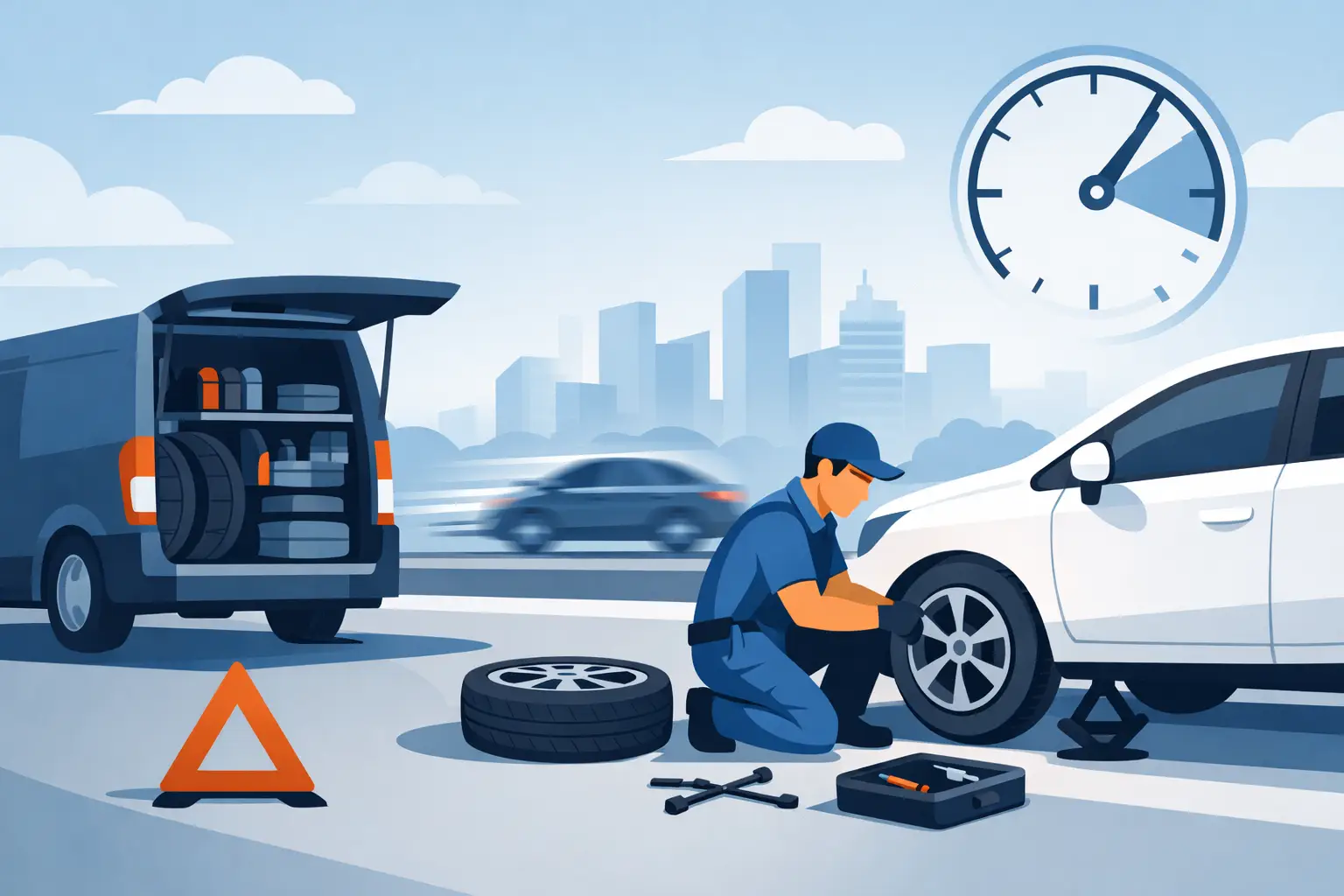

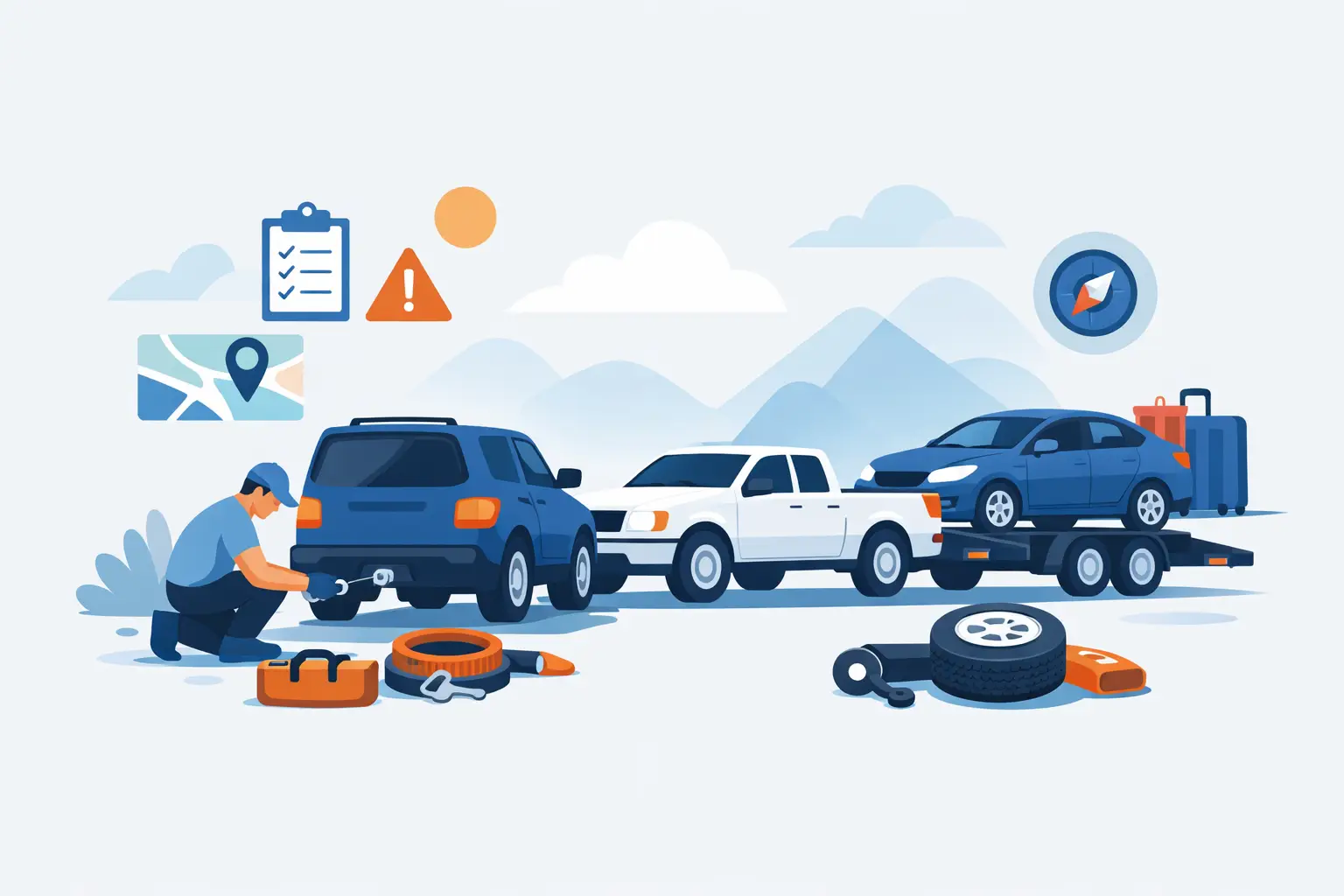
A dead battery in a Miramar parking lot or a crash on I-95 can turn into a stressful situation fast. Knowing how to prepare for towing before the truck arrives helps protect you, your passengers, and your vehicle while keeping the process moving without unnecessary delays.
The first priority is not the vehicle. It is getting out of danger. Once everyone is safe, a few practical steps can make it much easier for a towing professional to locate you, assess the job, and transport your car to the right destination.
Move to a Safer Spot If You Can
If your vehicle is still drivable and you can move it safely, pull completely out of traffic. A parking lot, wide shoulder, gas station, or side street is far safer than sitting in an active travel lane. Turn on your hazard lights as soon as you recognize there is a problem, especially at night, during heavy South Florida rain, or on a busy road.
Do not try to move a vehicle that is smoking, leaking fuel, overheating, has severe accident damage, or feels unsafe to steer. If you have been in a collision with injuries, call 911 first. Follow instructions from law enforcement and emergency personnel before arranging a tow.
On a highway, use extra caution. If the vehicle is in a dangerous location and you can safely exit, move away from traffic and stand behind a barrier when possible. Do not stand beside the vehicle facing traffic, and do not attempt repairs near moving cars.
Give the Tow Company Accurate Location Details
A fast tow starts with a location the driver can find. GPS pins are helpful, but they are not always enough on highways, large shopping centers, airport areas, or neighborhoods with several entrances. Tell dispatch the city, street name, nearest cross street, travel direction, and any visible landmark.
For example, saying you are near Pembroke Pines is less useful than saying you are in the westbound lanes near a specific exit, or in the rear parking area of a store off Pines Boulevard. If you are on I-75, I-595, the Turnpike, or I-95, identify the direction you are traveling and the closest mile marker or exit.
Also describe where the vehicle is positioned. Let the dispatcher know whether it is in a parking garage, blocked driveway, tight apartment complex, ditch, mud, median, or active roadway. This allows the towing team to send the right truck and recovery equipment rather than arriving unprepared.
Explain What Happened to the Vehicle
Preparing for towing means sharing the facts, even if you are not sure what caused the issue. Tell the dispatcher whether the car will not start, has a flat tire, was in an accident, is stuck, has a broken wheel, or cannot shift into neutral.
Your vehicle type matters, too. Provide the year, make, model, color, and license plate number if requested. Mention if it is all-wheel drive, four-wheel drive, electric, lowered, oversized, carrying commercial equipment, or hauling a trailer. Some vehicles need a flatbed tow to avoid drivetrain damage. A car with locked wheels or accident damage may require different loading methods than a vehicle that simply will not start.
Do not guess that a vehicle can be driven onto a tow truck. If it will not roll, steer, brake, or shift properly, say so. Accurate information protects your vehicle and prevents a delay at the scene.
Remove What You Need Before the Tow
Once the tow truck takes your vehicle, you may not have immediate access to it. Take your wallet, phone, house keys, work materials, medications, child seats, garage opener, and any valuables you need. Check the glove box, center console, trunk, and rear seat before the vehicle is loaded.
If the car is being taken to a repair shop after hours, ask whether the shop can receive it and where the keys should be left. Some shops have a secure key drop, while others may not accept vehicles until the next business day. Confirming this before the truck arrives can save you from having the car dropped at the wrong location.
If your car was in a collision, avoid removing items that may be relevant to an insurance claim unless they are necessary for safety or personal use. Take photos of the vehicle and surrounding scene when it is safe to do so. Document visible damage, license plates, road conditions, and the other driver’s information if applicable.
Have Your Destination and Authorization Ready
Decide where the vehicle needs to go before you call. The closest repair shop may be convenient, but it may not be the best choice if it cannot work on your vehicle, cannot accept it after hours, or is outside your insurance network. You may choose your home, a dealership, a trusted mechanic, or a body shop instead.
You should also be ready to show identification and confirm that you are authorized to have the vehicle towed. Keep your registration, insurance information, and keys available if possible. If someone else owns the vehicle, tell dispatch that upfront. Fleet drivers should be prepared with the company contact, unit number, and any required authorization instructions.
Before service begins, confirm the destination and ask about the expected towing charge. The total can depend on distance, vehicle size, accessibility, recovery needs, tolls, storage requirements, and whether the vehicle needs special equipment. Clear details up front prevent surprises later.
Prepare the Vehicle for Loading
You do not need to know how to operate towing equipment. In fact, you should never try to hook up the vehicle yourself. Your job is to give the towing operator room to work and follow their safety directions.
Put the vehicle in the condition requested by the operator. This may mean unlocking the doors, providing the key, releasing the parking brake if it is safe and functional, or identifying where the wheel lock key is stored. If the battery is dead and the electric trunk or shifter will not work, tell the driver before loading begins.
Move personal items out of the way and keep children and pets at a safe distance from the truck, cables, winch line, and loading area. A tow scene can be busy, particularly on narrow roads, wet pavement, or crowded parking lots. Let the operator control the loading process without interruptions.
Know When You Need Recovery, Not Just Towing
Some situations require more than a standard tow. A vehicle stuck in sand, mud, standing water, a ditch, or a median may need a winch-out or recovery service first. This is common after heavy rain, missed turns, and soft shoulders around South Florida.
Be honest about the vehicle’s position. If your car is off the road, send photos when requested and explain whether it is sitting level, leaning, buried, blocked, or near water. Trying to drive out repeatedly can make recovery harder and may cause additional damage.
For accident towing, wait for the scene to be cleared when law enforcement is involved. Do not allow pressure from other drivers or bystanders to rush you into a decision. Make sure you understand where your vehicle is going and who is taking it.
Keep a Basic Towing Plan in Your Car
The best time to prepare is before you are stranded in summer heat or a sudden thunderstorm. Keep your phone charged when possible, and store your insurance card, registration, roadside assistance details, and a small emergency kit in the vehicle. A flashlight, reflective vest, water, phone cable, and basic first-aid supplies are useful when help is on the way.
It also helps to save a dependable local towing number before you need it. ITow&Recovery provides 24/7 towing and roadside assistance for drivers across Miramar, Hollywood, Weston, Fort Lauderdale, Pembroke Pines, and nearby South Florida communities.
When your vehicle cannot continue, stay calm, get to a safer location if possible, and share clear information. The right preparation gives the towing team a cleaner path to help and gives you one less thing to worry about on a difficult day.